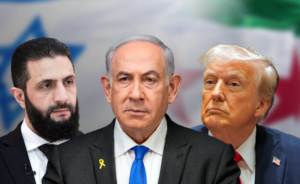
Israel and Syria will restart negotiations on a long-discussed security agreement on Monday, reviving a delicate diplomatic track aimed at reshaping the volatile frontier between the two longtime foes after weeks of stalemate.
The talks are expected to resume after a roughly two‑month freeze that followed disagreements over territorial withdrawals and the scope of future security arrangements, an Israeli source told local media. Negotiators from both sides are working under US and Russian mediation to transform ad hoc understandings into a formal framework that would govern force deployments, monitoring mechanisms, and rules of engagement along the border.
Syrian officials have repeatedly signaled that any agreement must be rooted in the 1974 disengagement accord and ultimately lead to a pullback of Israeli forces to positions held before Israel’s post‑Assad advances into the demilitarized buffer zone. Israel, however, has linked significant withdrawals to broader political concessions, including long‑term security guarantees and, in some proposals, steps toward normalization that go beyond a narrow security pact.
Despite several rounds of indirect and direct contacts in European capitals, the sides remain divided over key details such as the depth of demilitarized zones, control of strategic high ground, and the presence of international observers. Analysts note that domestic pressures in both countries, as well as shifting regional alliances, could either accelerate compromises or harden positions as talks proceed.
US President Donald Trump and his administration have invested diplomatic capital in pushing the process forward, viewing a Syria‑Israel security deal as a potential capstone to broader regional initiatives. However, previous negotiation rounds have broken down at the brink of major steps, underscoring the fragility of the process and the risk that renewed talks could again stall without tangible concessions from either side.