US oil sanctions have triggered a fuel crisis that is leaving Havana buried in trash and deepening Cuba’s humanitarian and health emergency.
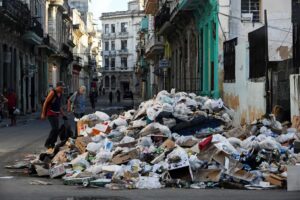
Garbage now accumulates on street corners across the capital as only 44 of 106 rubbish trucks remain in service, forcing residents to navigate swarms of flies and the stench of rotting waste for more than 10 days between collections. The crunch follows the effective halt of Venezuelan oil shipments in mid-December and a Mexican decision to freeze crude deliveries after President Donald Trump threatened tariffs on any country supplying fuel to Cuba, moves that have slashed imports to an island already battling shortages of food, fuel and medicine.
Officials are rationing fuel to protect essential services like hospitals, water systems and food production, leaving garbage collection and public transport starved of diesel and pushing more people to complain on social media about uncollected waste and blackout-plagued neighborhoods. Health experts warn the mounting trash and reduced fumigation are turning Havana into a breeding ground for mosquitoes that spread dengue and chikungunya, diseases that have already driven recent outbreaks amid “lack of hygiene” and accumulated garbage.
International partners are trying to plug the gap: Mexico has paused oil shipments but sent more than 800 tons of food and basic supplies by navy ship, Spain has pledged UN-coordinated humanitarian aid, and Russia is preparing fuel cargoes as the Kremlin calls Cuba’s fuel situation “critical.” Yet with Washington doubling down on its embargo and sanctions on oil carriers in the name of forcing political change, Cuban leaders and regional allies warn that ordinary people are paying the price in overflowing trash, power cuts and growing risks to public health.