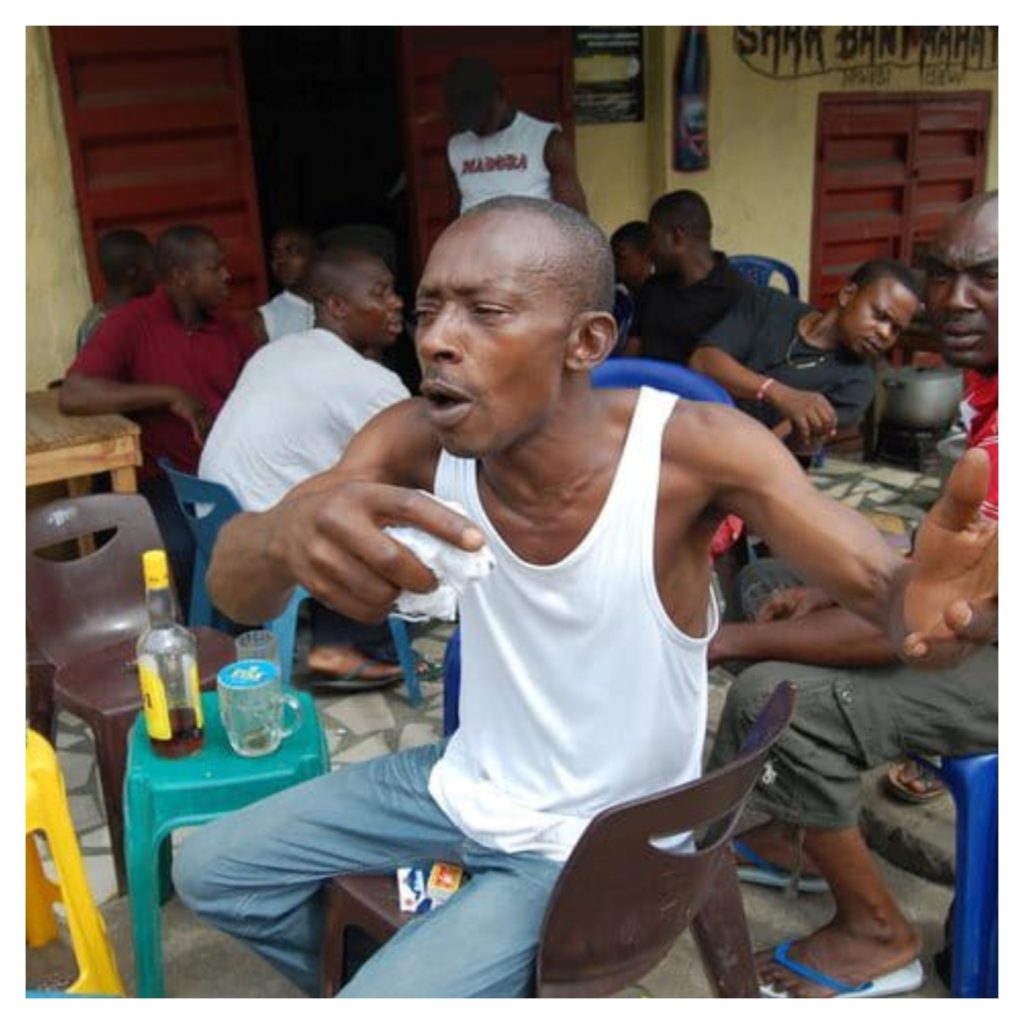
For the uninitiated, ‘Goskolo,’ is a locally brewed illicit alcoholic gin known for its high toxicity, virulence, deadly and noxious components with a severe health threat far beyond typical alcoholic beverages.
The illicit gin has also been known to be hazardous to health with the potential of causing serious organ failure, including damage to the kidneys, liver, lungs, blindness and ultimately death.
The concoction is a mix of highly potent and dangerous methanol, ethanol, and other toxic substances which makes it a very dangerous brew that poses severe health threats to the consumer.
However, despite being identified as a serious health risk, Goskolo has become a favourite drink for a lot of youths in Plateau State, especially in Jos South, Jos North, and some other local government areas like Mangu, Pankshin, Barkin Ladi and Bokkos, where a high concentration of unregulated drinking joints and bars have increased alcohol consumption among both young and old.
Over the years, Goskolo has emerged as the most addictive substance in Plateau State, with many youths addicted to it owing to their desire to be ‘high’ or transmute into a ‘higher realm’.
The widespread consumption of ‘Goskolo’ and its popularity in Plateau is causing serious alarm among citizens, particularly regarding its impact on the youths who are now addicted to the dangerous drink due to its affordability, low cost and easy availability, making it a popular choice among cash-strapped youths, despite its well-documented health risks.
According to health experts, the negative aspects of the ‘Goskolo’ menace include serious health hazards due to the high-concentration of unprocessed alcohol which are linked to increased cases of liver disease, heart problems, cardiovascular diseases, and mental health issues among youth.
Many young people, especially those from lower socio-economic backgrounds, view the gin as a viable escape from their daily hardships.
Advocates have also pointed out the societal impacts of the drink which have been associated with a rise in crime rates, domestic violence, school dropouts, and loss of productivity, with many individuals, including those in paid employment, losing their jobs or failing to perform daily duties.
Parents have lost their children to ‘Goskolo’ as was the case of Mrs. Martha Paul, a 60-year-old resident of Tudun Wada community whose son, a promising 300-level student at the University of Jos, succumbed to the effects of ‘Goskolo’ in 2025.
According to information at the time, the young man who was looked upon as the family’s shining light, fell into the trap of the illicit gin, became addicted to it and along the line, developed severe complications which affected his internal organs, leading to his untimely death.
Mrs. Paul is now a tireless advocate against the consumption of ‘Goskolo,’ hoping to spare other families from similar heartache she went through.
Women have been made to become widows, children fatherless due to the menace of ‘Goskolo’.
In the course of putting this piece together, our reporter went undercover and visited some of the notorious ‘Goskolo’ joints in Tudun Wada and Hwolshe communities where there is a high concentration of hangouts selling the illicit gin.
One of such was Bulus Manji, who preferred to be called Biggy. Bulus, a brilliant young man, who was a student of the Plateau State Polytechnic before he dropped out in 2022 due to his addiction to ‘Goskolo’, is nothing but big as he looks gaunt, emaciated with puffy eyes.
Dressed in an oversized dirty jeans which he tied with a rope in place of a belt, and a dirty brown T-shirt, Biggy narrated his journey into ‘Goskolo’ slavery.
I was in my HND 2 at Plapoly when friends introduced me to Goskolo,” he recalled.
“The first day I took it, I had a serious hangover in the morning and could not go to school. Anything I ate, I threw up immediately.
“Later, my friends came around and when they saw my condition, they quickly went and bought me more ‘Goskolo’, telling me that the remedy to the hangover was to take the drink.
And true to their words, after I took the drink again, I became normal but I did not know that it was going to be an endless cycle for me. Since then, I have been drinking ‘Goskolo’ every day.
“I had to drop out of school as I was always drunk and could not cope with my academics again. Now I do menial jobs to survive but any money I make goes to ‘Goskolo.”
Asked if he regrets his decision and if he plans to quit anytime soon, Biggy said he wished he could turn back the hands of time.
“I really wish I could turn back the hands of time. I regret the first day I took a sip of ‘Goskolo’. This drink is addictive and presently, I am not okay as I have been diagnosed with an enlarged liver but it will take the grace of God for me to stop,” he said.
The case of Austin was another pathetic one encountered by our reporter.
From a well to do family with siblings all established, Austin has become a reference point as far as ‘Goskolo’ consumption is concerned in Tudun Wada.
He is said to be the ‘Chairman’ of the drinkers of the illicit gin. He knocks on the doors of the sellers as early as 5am on a daily basis and often does not get home till they close around 9 or 10pm.
Austin has a spouse, Maryam, who is also addicted to ‘Goskolo’ and together, they are found in these joints from morning till night, always drunk and soliciting for more drinks from other patrons who are often too eager to oblige them with more drinks.
It is the general belief that ‘Goskolo’ consumers are very generous and do not discriminate against others.
A heavy drinker, Danjuma Bitrus, aka Dandy, told our reporter that one could leave home without a dime in his pocket but get back home heavily drunk as other drinkers would have supplied him with enough drinks for the day.
“You can leave your house with nothing and go back well satisfied. ‘Goskolo’ drinkers are not selfish people,” Dandy boasted.
But beyond what seems as a mere menace on the surface, the dangers portended by the illicit drink is alarming and has become a source of concern for parents and community leaders, especially in the communities where there are prevalent cases.
Late last year, some community leaders and youths in Tudun Wada organized themselves and staged a protest against the bar owners.
Their shops were locked up but a few days later, the shop owners came back with court injunctions declaring their operation legal.
A youth leader in Hwolshe, Jurme Anthony, who was one of those who embarked on the protest, noted with dismay that the inability of the government to close down the joints or enforce a regulation against them has given them the impetus to operate without check.
Over the years, in spite of all we suffered because of ‘Goskolo’, there is no law that prohibits its brewing and consumption,” Anthony lamented.
”There is nowhere you have violent conflicts in Plateau that will not be linked to ‘Goskolo’ or drug abuse in general.
“So, we are calling on the state to enact a law or put in place stringent and implementable policies that will ban the brewing and consumption of ‘Goskolo’ and other illicit drugs,” he added.
Medical experts have also warned that the toxins in ‘Goskolo’ can cause severe liver damage, impair cognitive function, and increase the risk of chronic diseases, including liver cirrhosis and various forms of hepatitis.
Dr. Mike Atang, a medical practitioner, who added his voice to the call for the ban of ‘Goskolo’, said the chemical composition of the drink makes it especially harmful to the consumer.
Unlike regulated alcoholic beverages, which are produced under strict safety guidelines, ‘Goskolo’ is often concocted in unregulated, unhygienic conditions.
“The lack of oversight in its production means that consumers have no way of knowing the true contents of what they are ingesting, making every drink a potential risk.
Healthcare providers are witnessing an upsurge in cases related to ‘Goskolo’ consumption with hospitals reporting a rash in admissions for alcohol poisoning, liver disease, and other health complications linked to the toxic gin,” he said.
An educationist, Maina Idi, who also spoke on the dangers posed by ‘Goskolo’ consumption, noted that the broader societal implications of the illicit drink are quite alarming.
Youth who become addicted to this gin often abandon their educational and career aspirations, leading to increased dropout rates and a loss of future leaders and professionals.
“The economic impact is significant, with many affected individuals becoming unable to contribute productively to their communities.
“The social fabric of Plateau State is at risk as the gin erodes the potential and vitality of its younger generation,” Idi said.
Many families have also found themselves grappling with the dual burden of lost income due to incapacitated family members and increased healthcare costs, plunging them further into poverty, with the cycle of poverty and health decline creating a broader economic impact that affects the entire community.
Summing it up, Anthony, the youth leader, is of the opinion that the fight against ‘Goskolo’ requires a coordinated effort involving community education, law enforcement, public health initiatives and awareness campaigns aimed at educating young people about the dangers of ‘Goskolo’.
“The threat posed by ‘Goskolo’ to the youths of Plateau State cannot be underestimated. Immediate and sustained action is required to address this public health crisis.
By banning the production and sale of this dangerous gin, enforcing existing laws, and providing education and support to affected individuals, Plateau State can safeguard the health and future of its young population.
“The call to reject ‘Goskolo’ is not just a plea for better health but a demand for a brighter, more hopeful future for all,” he added.