In this report, IBRAHIM ADAM examines how gaps in medical testing and neglected laboratory tests put patients at serious risk, with unnecessary surgeries and mismanaged treatments claiming lives
The death of 62-year-old Mrs Justina Awokumaka sparked much grief among her family members, one that is further deepened by alleged medical misconduct in an Abuja hospital.
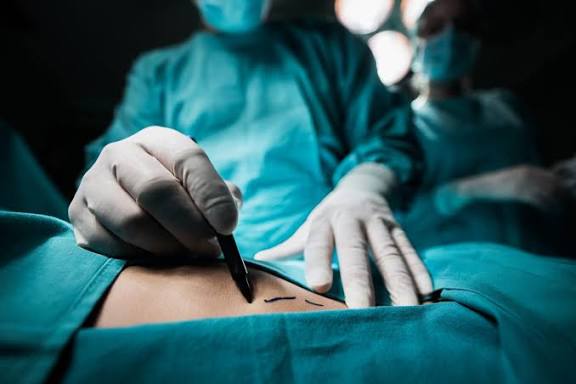
Late Awokumaka, a resident of Bwari, reportedly died after what her family believes was an unnecessary appendectomy and subsequent complications during cancer treatment at a teaching hospital in Gwagwalada.
Her story was shared on February 25, 2026, by an X user, Tamunokuro Obietonbara (@sankofa360).
According to him, Awokumaka first experienced severe abdominal pain last year and went to the General Hospital in Bwari.
With no doctors available, she sought care at a private hospital the same day.
There, a doctor diagnosed appendicitis after a manual abdominal exam, without conducting a blood test or scan and scheduled her for surgery.
The appendectomy was reportedly performed a few days later. She initially appeared to recover, but within a week, her condition worsened as her pain intensified and her abdomen became rigid.
She was then transferred to the University of Abuja Teaching Hospital, where tests revealed she had cervical cancer, not appendicitis.
Doctors advised rest before cancer surgery, but four weeks later, preparations were halted due to dangerously low blood levels.
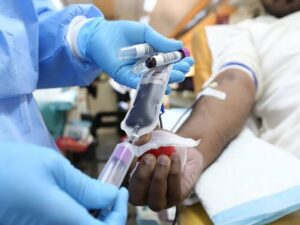
During her final hours, she underwent a blood transfusion after prolonged difficulty finding veins.
A doctor administered blood through a vein in her neck. About an hour later, her son noticed severe swelling, realising blood was leaking into the surrounding tissue.
Nurses were said to have delayed in responding, and when a doctor eventually assessed her, he allegedly downplayed the situation. She died later that night.
Obietonbara claimed that the first surgery was driven by greed, and proper laboratory examinations could have saved her life.