The Presidency has dismissed claims that it secretly altered some provisions of the newly enacted tax reform laws, insisting that no changes were made outside the established legal and legislative process.
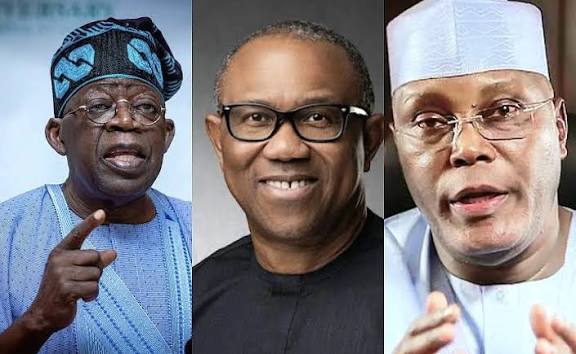
This comes as former Vice President Atiku Abubakar, the 2023 presidential candidate of the Labour Party, Peter Obi, and several civil society organisations called for the suspension of the implementation of the laws.
The tax reform laws, which faced stiff opposition from federal lawmakers from the northern part of the country before their passage, are scheduled to take effect on January 1, 2026.
President Bola Tinubu signed the four tax reform bills into laws, marking what the government has described as the most significant overhaul of the country’s tax system in decades.
The laws include the Nigeria Tax Act, the Nigeria Tax Administration Act, the Nigeria Revenue Service (Establishment) Act, and the Joint Revenue Board (Establishment) Act, all operating under a single authority, the Nigeria Revenue Service.
According to the Federal Government, the reforms are designed to simplify tax compliance, expand the tax base, eliminate overlapping taxes, and modernise revenue collection across federal, state, and local governments.
However, the laws came under scrutiny when a member of the House of Representatives, Abdussamad Dasuki (PDP, Sokoto), alleged discrepancies between the tax laws passed by the National Assembly and the versions gazetted and released to the public.