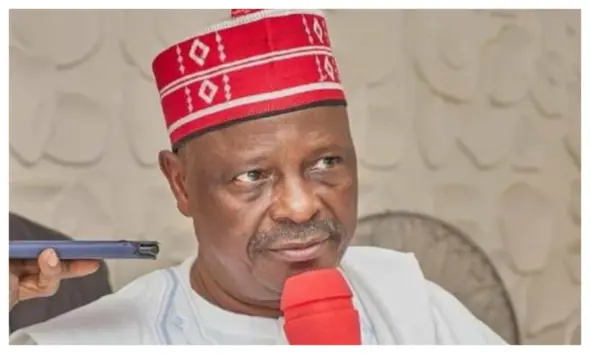
Rabiu Kwankwaso, national leader of the New Nigeria People’s Party (NNPP), has declared that he cannot be influenced or purchased in politics, insisting that he has no “price tag.”
The former Kano State governor made the statement while commenting on recent political events, touching on issues of loyalty, betrayal and the overall political climate in Kano State.
Kwankwaso noted that politics naturally comes with victories and losses but warned that betrayal often triggers anger among the public, particularly at a time when many Nigerians are frustrated by insecurity and economic hardship.
According to him, those who abandon principles for personal gain often trap themselves in political arrangements with no clear way out.
He was quoted as saying that betrayal had continued to damage the credibility of some political platforms, adding that such actions were partly responsible for the growing loss of public support, especially over poor handling of security and economic challenges.
Kwankwaso rejected the popular belief that every politician could be bought, stressing that his integrity was not for sale.
“People often say that everyone has a price in Nigeria. If you are searching for someone without a price tag, then come to Rabiu Kwankwaso,” he said.
The NNPP leader also described Kano’s political terrain as unique, noting that voters in the state are politically enlightened and difficult to sway with money or material gifts.
Kano politics is different. Where else can someone come with bags of money and think they can simply buy people during meetings?” He asked.
He maintained that if wealth was his main motivation, he would have openly placed a value on himself, adding that no amount of money could buy his conscience.
Kwankwaso cautioned both politicians and voters against the temptation of short-term inducements during elections, warning that such choices often result in long-term suffering.
You may endure hardship for four years, then be given peanuts one day, and end up suffering for another four years,” he said.
He concluded by urging political stakeholders to remain guided by principles and focus on the long-term interests of the people, warning that leadership built on inducement and betrayal cannot deliver sustainable development.