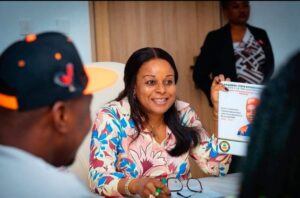
The Bauchi State Government is considering tough legislation to clamp down on home deliveries, as figures reveal that most women in the state still give birth outside hospitals, putting both mothers and babies at risk.
Statistics from the United Nations Children’s Fund (UNICEF) show that only 31 per cent of women in Bauchi deliver in health facilities, while a staggering 69 per cent give birth at home. Even more worrying, 57 out of every 100 pregnant women attend antenatal care but still end up delivering outside hospitals.
The alarming trend has necessitated urgent consultations among key stakeholders, including the Bauchi State Ministries of Budget and Health, the Primary Health Care Development Board, the House of Assembly, local government chairpersons and civil society groups, all seeking ways to curb rising maternal and child mortality.
At a two-day high-level meeting with state and local government policymakers and legislators on sexual and reproductive health, a UNICEF health specialist, Oluseyi Olosunde, warned that the situation demands immediate action.
He urged the state to scale up funding for adolescent, sexual and reproductive health, as well as maternal and child healthcare.
The Executive Chairman of the Bauchi State Primary Healthcare Development Board, Dr. Rilwanu Mohammed, said authorities were deeply troubled that many women who attend antenatal care still choose to deliver at home, a practice he said fuels preventable deaths.
“We have decided to bring everybody on board – the Speaker of the House of Assembly and his members, local government policymakers, and others – to review our budgeting and releases. Maternal and child mortality are our concern. We are also tackling gender, sexual and reproductive health rights, and nutrition.
“Over the years, our budget has been above the Abuja declaration of 15 per cent for health, but we are taking more steps ahead to ensure that it really translates to target goals.
“One of the suggestions made was that the state should have legislation that will compel women to attend antenatal and deliver in health facilities.
“If a woman fails to attend antenatal or deliver in a health facility, there should be a penalty either by monetary fines or a jail term because she is jeopardising the lives of our children and that of herself,” he said.
Backing the proposed law, UNICEF’s Chief of Field Office, Dr. Nuzhat Rafique, said legislation would force a behavioural shift that could drastically reduce maternal and child deaths in the state.
She disclosed that with support from the Canadian Government, UNICEF is rolling out a project focused on the sexual and reproductive health rights of adolescent girls, aimed at educating and empowering them to become healthy mothers.
Rafique added that UNICEF is working with health authorities, traditional rulers and religious leaders to ensure women understand the importance of accessing quality care during pregnancy, delivery and after childbirth.
“We are starting from the root cause and working on access to health services for pregnant mothers. A pregnant mother should deliver in a safe environment with quality care, which can significantly reduce newborn and maternal mortality at the same time.
“This advocacy meeting is with all the members of the Bauchi State House of Assembly, all 20 Local Government Chairmen in the state, traditional and religious leaders, and all the people working at the LGA and hospital levels,” she said.
Meanwhile, the Speaker of the Bauchi State House of Assembly, Abubakar Suleiman, described the health figures as disturbing and vowed that lawmakers would act decisively.
“All these things are people’s rights, not even a privilege. What we are considering is to come up with a law that will force women to adhere to antenatal activities so as to reduce the maternal and child mortality we are facing in the state,” he said.