Nigerian defence-technology startup Terra Industries has hit a valuation north of $100 million after closing a fresh $22 million funding extension to its seed round, underscoring surging global investor interest in African-built security technology.
Terra’s new $22 million extension was led by US firm Lux Capital, with participation from existing backer 8VC as well as Silent Ventures, Nova Global and other institutional and angel investors. The deal brings Terra’s total seed financing to about $34 million and pushes the Abuja-based startup’s valuation into nine figures, making it one of Africa’s most valuable early-stage defence-tech companies. The extension comes barely a month after Terra emerged from stealth with an $11.75 million seed round, an unusually rapid back‑to‑back raise in Africa’s startup ecosystem.
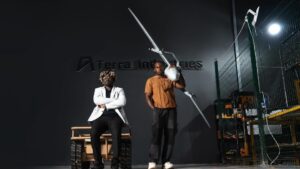
Founded in 2024 by 22‑year‑old CEO Nathan Nwachuku and 24‑year‑old CTO Maxwell Maduka, Terra designs and manufactures autonomous systems to protect critical infrastructure across air, land and maritime domains. The company’s product suite includes surveillance drones, fixed towers, unmanned ground vehicles and sensor networks, all orchestrated through ArtemisOS, its proprietary software platform for real‑time threat detection and autonomous mission planning. Terra says its systems currently help secure infrastructure assets worth about $11 billion, including power plants and mining sites across multiple African countries.
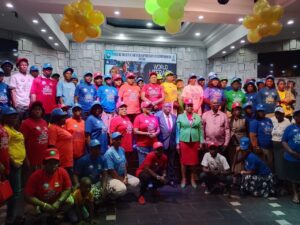
Alongside the funding news, Terra is accelerating its international push through a partnership with Saudi industrial giant AIC Steel to establish a manufacturing hub in Saudi Arabia focused on infrastructure‑security drones and autonomous surveillance systems.
The agreement, announced around the World Defense Show 2026, positions Terra to serve both African and Middle Eastern markets facing similar risks such as sabotage, resource theft and attacks on energy infrastructure. Terra plans to keep core manufacturing in Africa, where it already operates one of the continent’s largest drone factories in Abuja, while expanding software and engineering teams in London and San Francisco to support its growing global footprint.