The Anambra State Government is intensifying efforts to combat malnutrition, with the Commissioner for Budget and Economic Planning, Mr. Chukwukadibia Okoye, calling for the development of a comprehensive food and nutrition performance scorecard to strengthen intervention programmes across the state.
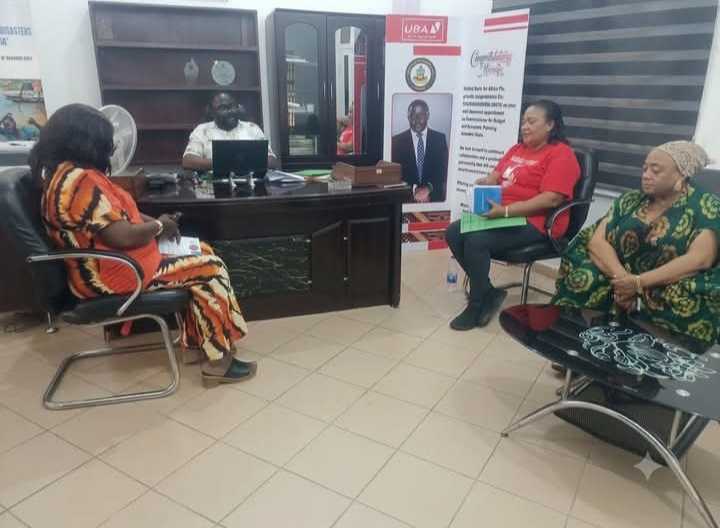
Speaking during an advocacy visit by members of the State Committee on Food and Nutrition to his office in Awka, Mr. Okoye said the proposed scorecard should document the state’s 2024 nutrition assessment, identified gaps, interventions implemented and outstanding challenges to support an evidence-based memorandum to Governor Chukwuma Soludo.
According to him, the scorecard will provide government with a clearer picture of progress made and areas requiring urgent attention, while enhancing planning, accountability and policy implementation.
The commissioner also urged the 21 local government councils to take advantage of their financial autonomy by allocating funds to nutrition-related programmes, while the state government continues to provide policy direction and coordination. He further stressed that all recommendations submitted to government should be supported with official documents, including meeting minutes and formal correspondence, to aid informed decision-making.
Earlier, the Permanent Secretary in the ministry, Mrs. Chinyere Nwabachili, said the Ministry of Budget and Economic Planning serves as the coordinating agency for the State Committee on Food and Nutrition, which was established in 2016 and revitalised in 2024 after years of inactivity.
She disclosed that although Anambra recorded no score in an earlier national nutrition assessment, the state has since partnered with relevant national institutions to address identified gaps, resulting in significant improvements. She added that achieving food security and better nutrition requires the active participation of ministries, departments, agencies and all 21 local government councils.
Also speaking, the State Nutrition Officer, Dr. Rose Amasiani, called for stronger collaboration with local government chairmen to ensure sustained funding for nutrition programmes at the grassroots. She noted that committee members have often relied on personal resources to carry out critical activities due to the absence of dedicated funding and appealed for annual budgetary provisions to support programme implementation, monitoring and evaluation.
Responding, Mr. Okoye expressed concern over reports ranking Nigeria among countries with a high burden of malnutrition, assuring that the state government would review the available data and strengthen measures aimed at improving food security, reducing malnutrition and promoting effective collaboration across all levels of government.