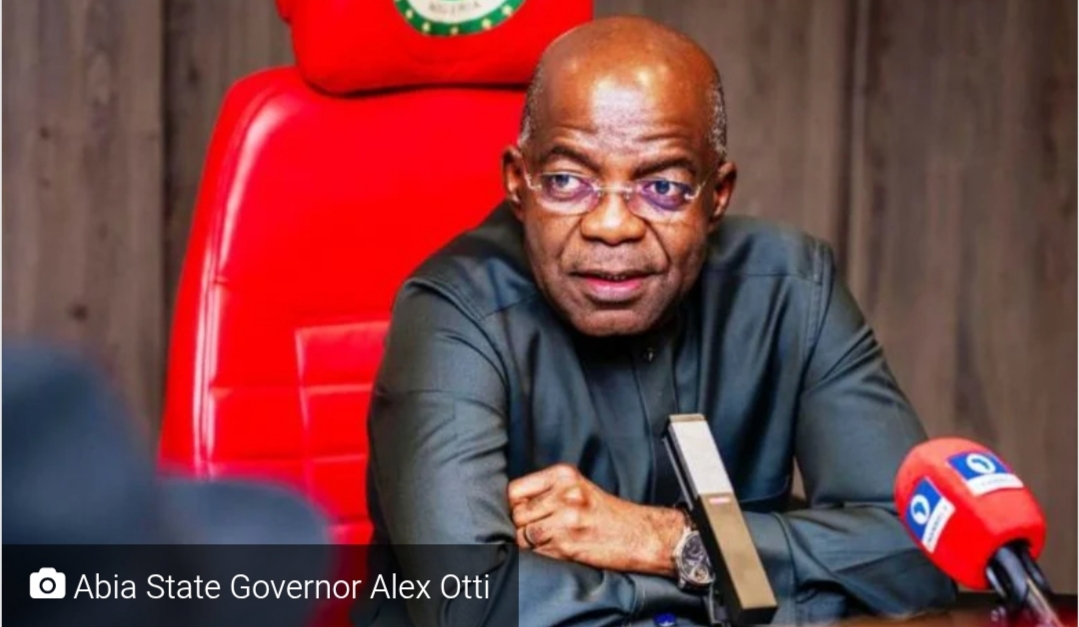
The Abia State Government has denied reports that women who sell akara and other small-scale food items on the streets of the state are being made to pay ₦50,000 in tax.
The government described the claim as false, clarifying that akara sellers are not subjected to a ₦50,000 tax or levy imposed by the state.
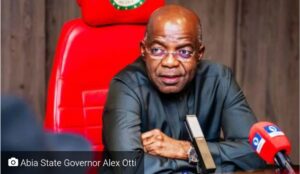
The Commissioner for Information, Okey Kanu, gave the clarification on Monday in Umuahia while briefing journalists on the outcome of the Abia State Executive Council meeting presided over by Governor Alex Otti.
Kanu said the administration had not introduced any new tax on small traders, noting that the government had already abolished multiple taxation as part of measures aimed at creating a more favourable environment for residents and businesses.
“There is another one trending. It is the story of an akara seller who is paying N50,000 as tax.
“This is pure fallacy and nothing can be farther from the truth as akara sellers don’t pay tax or levies but they pay daily tolls,” Kanu said.
The commissioner explained that the daily tolls paid by some roadside traders should not be confused with a state-imposed tax.
He maintained that the government had not authorised any fresh tax burden on petty traders and added that the Abia State Board of Internal Revenue could not arbitrarily increase taxes.
According to Kanu, any proposed increase in taxation would require the necessary legislative approval of the Abia State House of Assembly.
He therefore urged residents to disregard reports claiming that the Otti administration had imposed a ₦50,000 tax on women selling akara.
Kanu also addressed concerns over taxation involving school proprietors and other business owners, rejecting claims that the administration was imposing unbearable taxes on them.
He said the state’s tax policy was designed to support, rather than drive away, businesses, stressing that the government wants businesses to thrive and contribute to Abia’s economic growth.
The commissioner further dismissed suggestions that the administration only commenced the payment of pensioners’ gratuities due to pressure from opposition political parties.
He said the decision was part of the administration’s own policy and commitment to addressing the welfare of pensioners.