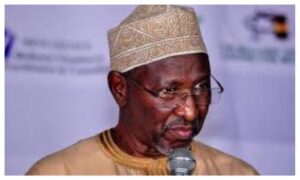
Political activist and Islamic scholar, Dr Usman Bugaje, has described the Muslim-Muslim presidential ticket as a “fraud”, accusing politicians of using religion to win Muslim voters’ support without solving the problems affecting them.
Bugaje spoke at a one-day summit organised by the Islamic Forum of Nigeria in Kano. The event brought together Islamic scholars, professionals and other stakeholders to discuss challenges facing Muslims in the country.
The summit, themed ‘Dilemma of Muslims in Nigeria: The Way Forward’, focused on insecurity, poverty, religious discrimination, governance and the effects of government policies on citizens.
Bugaje argued that having Muslim leaders in government does not automatically mean that the interests of Muslims will be protected.
He pointed to persistent insecurity, economic hardship and other social problems as signs of what he described as failures of political leadership.
He accused politicians of using the Muslim-Muslim ticket to gain votes without making meaningful improvements to people’s safety and living conditions.
The activist also raised concerns about insecurity in parts of northern Nigeria.
He alleged that “Boko Haram insurgents continued to operate around Maiduguri, where they reportedly collected taxes and held court sessions to settle disputes among residents”.
Bugaje also described the security situation in Sokoto State as worrying. He claimed that people travelling from the state capital to Isa Local Government Area could make the journey only twice a week, with support from the Joint Task Force.
He said these developments raised concerns about the ability of political leaders to protect citizens. According to him, religious representation should be judged by improvements in people’s welfare rather than the faith of those holding public office.
Bugaje further expressed concern about Nigeria’s reliance on imported medicines, claiming that about 70 per cent of the drugs used in the country came from abroad.
He stressed the need to develop local pharmaceutical industries and protect Nigeria’s territorial integrity, describing both as important steps towards genuine national independence.
The scholar also warned about increasing drug abuse among young people and women, saying the problem threatened the social and economic well-being of Muslim communities.