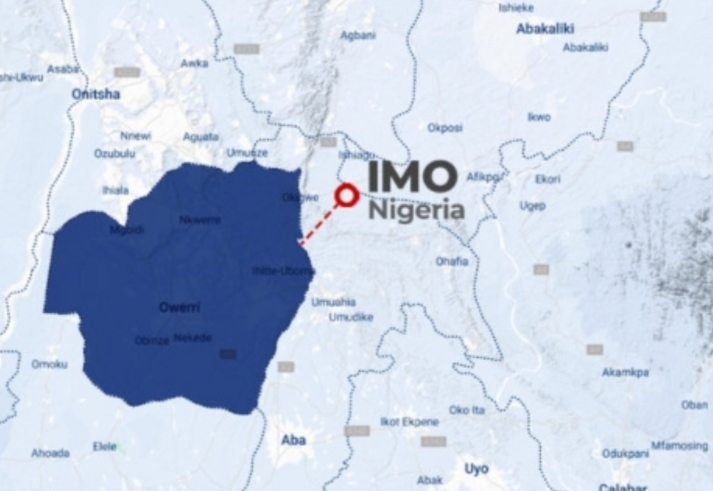
The Academic Staff Union of Universities (ASUU), Imo State University (IMSU) branch, has insisted that its ongoing strike will continue until outstanding salary payments, allowances and other welfare concerns are addressed.
The branch chairman, Stephen Oguji, made this known during a press conference in Owerri, where he appealed to the Imo State Government, the university management and its Governing Council to intervene urgently.
The strike, which began on August 10, 2026, followed disagreements over the implementation of the 2025 Federal Government-ASUU agreement and other outstanding staff entitlements.
The union’s demands include payment of salaries at the revised rate, settlement of salary arrears from January to August 2026, payment of withheld salaries and outstanding academic allowances, and written assurances that members will not face victimisation for participating in the strike.
ASUU-IMSU also called for the cancellation of examinations and postgraduate defences conducted during the industrial action, alongside a clear timetable for resolving other outstanding welfare obligations.
The union criticised the university management’s decision to commence second-semester examinations for the 2025/2026 academic session amid the dispute, arguing that the move does not amount to a return to normal academic activities.
Oguji said previous meetings and correspondence with university authorities had failed to produce a satisfactory resolution. He maintained that the union remained open to negotiations but would not suspend the strike based on promises without concrete, verifiable commitments.
The union acknowledged the hardship the prolonged dispute has caused students and parents, warning that the continued disruption could damage the academic calendar and students’ academic progress.
ASUU-IMSU urged the relevant authorities to resolve the dispute through genuine dialogue and written agreements with clear implementation timelines, stressing that academic activities would resume only when its outstanding demands were adequately addressed.