Health authorities in Anambra, Ebonyi and Enugu States have intensified vaccination campaigns and public awareness efforts to protect residents against meningitis and other health risks associated with rising temperatures.
The officials disclosed this in separate interviews, expressing concern over the prevailing heatwave and the potential risk of increased meningitis cases.
They encouraged residents to stay in well-ventilated environments, avoid prolonged exposure to direct sunlight, remain hydrated and take advantage of available vaccination services at primary healthcare centres.
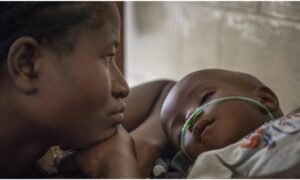
Meningitis is an inflammation of the protective membranes surrounding the brain and spinal cord. It can be life-threatening and requires urgent medical attention. Symptoms may include fever, severe headache, neck stiffness, sensitivity to light, vomiting, confusion and, in some cases, a rash.
In Anambra State, the Executive Secretary of the Anambra State Primary Healthcare Development Agency (APHCDA), Chizoba Ezeasor, urged parents and caregivers to ensure that their children receive routine vaccinations, including vaccines that protect against meningitis.
Ezeasor described vaccination as one of the most effective ways to prevent vaccine-preventable diseases, adding that the agency provides routine childhood immunisation through primary healthcare centres across the state’s 21 local government areas.
She advised parents to ensure their children receive all recommended vaccines in line with the national immunisation schedule.
A lecturer at the Chukwuemeka Odumegwu Ojukwu University Medical College, Anambra, Chukwudi Okani, identified dehydration, heat exhaustion, heatstroke and the worsening of certain existing health conditions among the health risks associated with extreme heat.
The histopathologist explained that meningitis could result from different infectious organisms, including meningococcal bacteria and viruses.
He urged residents not to ignore persistent fever, severe headaches, neck stiffness, repeated vomiting and other unusual symptoms, advising them to seek prompt medical attention.
In Ebonyi State, the government said it had procured vaccines and deployed health workers across communities as part of efforts to prevent possible meningitis outbreaks.
The State Director of Public Health, Gabriel Ajah, said the government was strengthening disease surveillance, early detection and response to suspected cases across the state’s 13 local government areas.
He added that the state was collaborating with health partners and relevant agencies to improve access to vaccination, medical care and appropriate treatment.
Ajah encouraged residents to report symptoms associated with meningitis to the nearest health facility rather than resorting to self-medication.
He also disclosed that Mondays had been designated for vaccination activities at primary healthcare centres across communities, urging residents to take advantage of the services.
The public health director called on traditional rulers, community leaders and other stakeholders to support awareness campaigns on vaccination, hygiene and early medical intervention.
Some residents of Abakaliki expressed concern over the intense heat and what they described as inadequate public awareness, particularly in rural communities.
A retired teacher, Jane Akpoke, called for sustained sensitisation campaigns, noting that although health workers had been visiting communities to administer vaccines, more public education was needed to encourage participation.
Another resident, Chike Osondu, urged the government to involve religious and market leaders in spreading information about meningitis prevention and available vaccination services.
In Enugu State, the Commissioner for Health, George Ugwu, said the state had not recorded cases of meningitis or heatwave-related diseases.
Ugwu attributed the state’s preparedness to sustained routine immunisation and special meningitis A vaccination programmes targeting children between zero and five years.
He said the state government, in collaboration with health partners, had continued vaccination efforts to strengthen children’s immunity, with each exercise targeting more than one million children.
The commissioner advised residents to stay in well-ventilated homes, avoid overcrowded spaces with poor ventilation and minimise exposure to air pollution. He also urged anyone experiencing sudden fever to seek medical attention.
A Professor of Community Medicine at the Enugu State University Teaching Hospital (ESUTH), Parklane, Eddy Ndibuagu, advised residents to remain in shaded or air-conditioned environments during periods of intense heat.
He cautioned against prolonged exposure to direct sunlight, particularly during farming and other outdoor activities, and recommended drinking sufficient water to replace fluids lost through sweating.
Ndibuagu also advised residents to wear lighter coloured clothing and reduce strenuous activities under the sun.
Meanwhile, some residents of Enugu metropolis said the prevailing heat had increased their household expenses, particularly the cost of generating alternative electricity, purchasing water and acquiring rechargeable fans.
A resident of Achara Layout, Chidi Okpara, lamented the additional financial burden of providing alternative power to keep his home cool.
Similarly, a resident of Idaw River, Vivian Ezechukwu, said her household had doubled its usual daily water consumption because of the heat.
A retired nurse, Ozioma Eke, identified inadequate access to regular water supply as another challenge confronting residents, noting that public tap water had yet to reach some parts of the metropolis.
The health authorities urged residents across the three states to remain vigilant, observe preventive measures and seek medical attention promptly whenever they notice symptoms of meningitis or other heat-related illnesses.
Written by Enitan Mudashiru