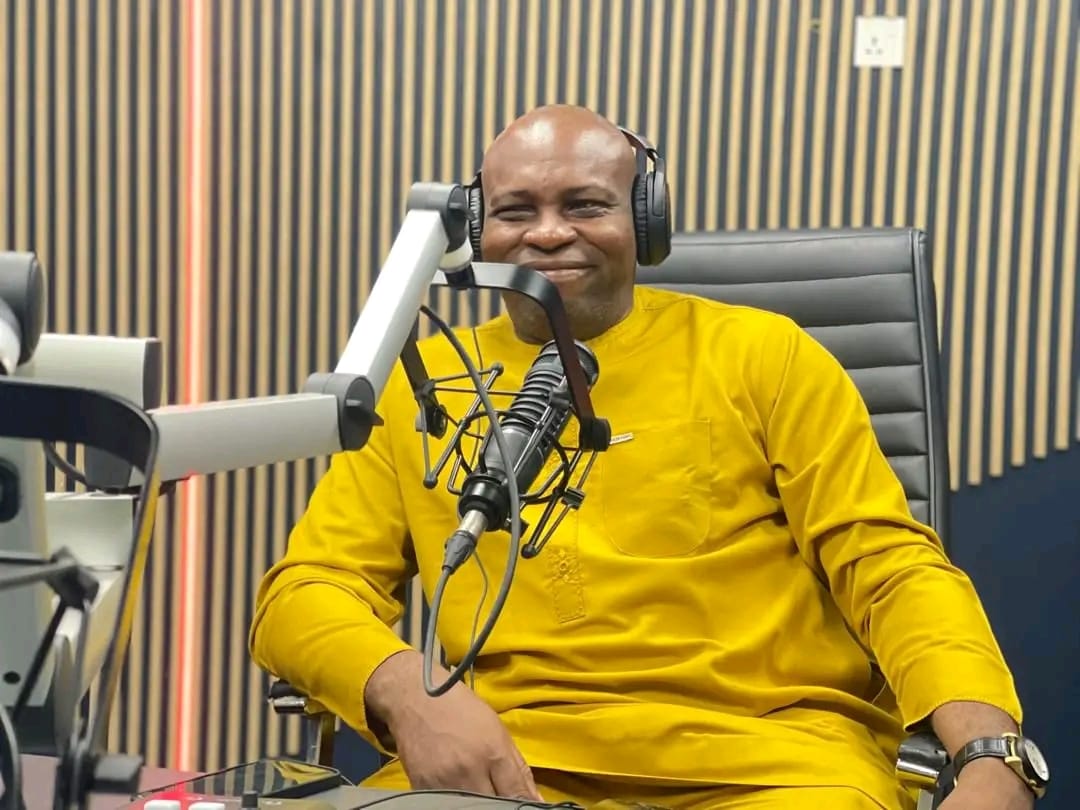
Nigerian lawyer, writer and policy analyst, Douglas Ogbankwa, has called for a revival of the Nigerian Television Authority (NTA), reflecting on the network’s celebrated programmes, iconic presenters and memorable productions that shaped television entertainment in the country.
In an article titled “The Golden Days of The Nigerian Television Authority (NTA),” Ogbankwa revisited the early years of television broadcasting in Nigeria, tracing its roots to the establishment of the Western Nigerian Television (WNTV) in Ibadan on October 31, 1959.
He described the era as a remarkable period in Nigerian broadcasting, when families and viewers eagerly anticipated the start of daily television transmissions and followed a range of locally produced dramas, sitcoms, news programmes, sports coverage and foreign television series.
Among the productions he recalled was the Port Harcourt based drama series Willie Willie, which became popular among children and audiences for its suspenseful storyline and memorable theme song.
He also highlighted Newsline, particularly its presentation by veteran broadcaster Frank Olise, whose distinctive style combined news reporting with satire and commentary on national issues. Ogbankwa also recalled Abike Dabiri’s contributions to the programme as a reporter and presenter.
The writer paid tribute to several prominent NTA news personalities, including Ruth Benemesia-Opia, the late Tokunboh Ajayi, Cyril Stober, Ronke Ayuba and Aisha Katung. He also remembered notable reporters such as Emma Okondo, Ben Orji, Manasara Iloh, Akinloye Oyebanji, Modele Sarafa-Yusuf and Adesuwa Onyenukwe.
Ogbankwa further recalled popular television productions such as The New Masquerade, Checkmate, Behind the Clouds, Cock Crow at Dawn and The Village Headmaster, alongside foreign programmes that attracted Nigerian audiences during the period.
He gave particular attention to NTA Benin’s productions, especially Hotel De Jordan, which featured memorable characters such as Chief Ajas, Kokori and Idemudia. He also recalled the station’s Super Movie programme, noting the performances of actors including his elder sister, Esther Njoku, and the late Flavian Okojie.
The article also celebrated the contribution of NTA’s sports department, with special mention of veteran commentator Fabio Lanipekun and his coverage of Nigeria’s remarkable comeback against the Soviet Union at the 1989 FIFA World Youth Championship in Saudi Arabia.
Nigeria recovered from a four-goal deficit to draw 4-4 before winning 5-3 on penalties in the quarter-final encounter, widely remembered as the Miracle of Dammam. Captain Nduka Ugbade scored Nigeria’s equalising goal, while Mike Onyemachara converted the decisive penalty in the shootout.
Ogbankwa also recalled A.M. Express, the morning programme presented by broadcasters including Yinka Craig and Sadiq Daba, describing it as one of the memorable productions of the network’s later years.
While celebrating the achievements of the past, the writer expressed concern over what he considers a decline in NTA’s programming quality, entertainment value and news presentation.
He argued that the network needs to attract talented professionals, promote merit in staff recruitment and appointments, and reduce political interference in its operations.
According to him, NTA can regain public confidence and relevance if it prioritises professionalism, creativity and quality programming rather than serving primarily as a government propaganda platform.
Ogbankwa maintained that the network has the potential to reclaim its place in Nigerian broadcasting but stressed that meaningful reforms are necessary to achieve that goal.
His article offers a nostalgic account of an influential period in the country’s television history while renewing the conversation about the future of public broadcasting in Nigeria.
Written by Enitan Mudashiru