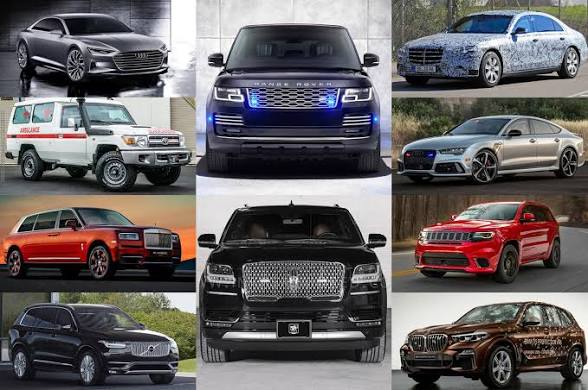
Demand for bulletproof vehicles is growing in Nigeria amid mounting concerns over political violence and attacks on campaign rallies ahead of the 2027 general elections.
Some dealers and manufacturers of armoured vehicles were recording improved business and repeated orders from Nigerian customers, while others anticipated increased demand as election campaigns gathered momentum.
The development comes against the backdrop of growing concerns over election security following a series of attacks on political candidates, campaign convoys and party supporters across the country.
The prices of armoured vehicles ranged from $50,000 to $1.5m, depending on their specifications.
However, security experts warned that the growing reliance on personal protection by politicians could widen the security gap between political elites and ordinary Nigerians if the underlying security challenges remained unaddressed.
A representative of Schutz Carr, who described business as currently good, said demand fluctuates depending on regional, political and economic factors.
“Currently, the market has been good. Yes, there are requests. The requests do not always come. It’s slow sometimes, and sometimes it picks up. Lots of factors come into play, regional, political and economic,” he noted.
Asked whether politicians were driving the demand, the dealer declined to disclose the identities of his customers, citing confidentiality.
“We can’t disclose because of client confidentiality,” he said.
He added that the cost of armoured vehicles depended on their specifications, with prices starting from $50,000 and reaching $1.5m. “It starts from USD50,000 to USD1.5m,” he clarified.
The growing demand for armoured vehicles comes amid mounting concerns over political violence ahead of the 2027 general elections, with attacks on campaign convoys, party gatherings and political supporters reported in different parts of the country.
A report by Global Rights’ Incident Centre for Election Atrocities, covering October 2026, documented 12 incidents, including three deaths linked to attacks on political gatherings, campaign activities and candidates’ convoys.
It also recorded four attacks targeting candidates, convoys and party members.
The incidents have continued in November, with attacks reported during political activities in Lagos, Kano, Sokoto and Kebbi states. A report by Deutsche Welle on November 18 highlighted concerns about the growing use of weapons, including axes and cutlasses, at political gatherings.