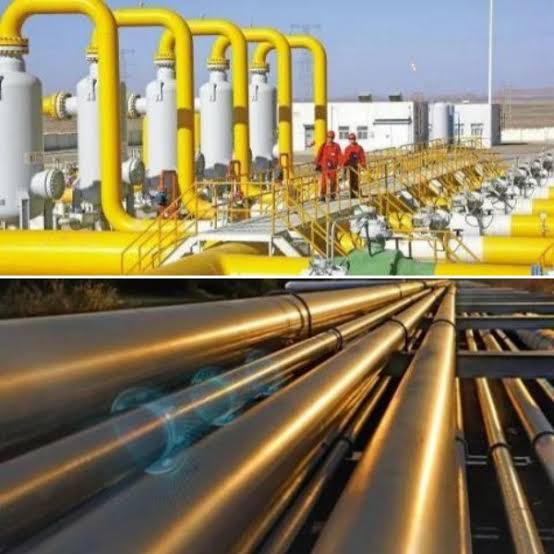
Nigeria’s lingering power outages, which have persisted for weeks and are being experienced across the country, are primarily due to inadequate gas supply to thermal power plants, the Nigerian Independent System Operator announced on Friday, attributing the sustained drop in electricity generation to severe fuel constraints affecting the national grid.
In a statement titled “Declining Power Output Attributable to Generation Shortfalls and Gas Supply Limitations,” released on its official X handle, the system operator said average available generation currently hovers around 4,300 megawatts, far below the country’s installed capacity.
As background, the lingering power outages began in early February following a scheduled maintenance exercise on key gas supply infrastructure by Nigerian National Petroleum Company Limited and Seplat Energy, which temporarily disrupted gas deliveries to several thermal power plants and triggered a nationwide drop in electricity generation.
The situation has since persisted due to continued constraints in gas supply, worsening the power shortfall across the country.
The statement, signed by the NISO Management, explained that the development is directly linked to severe gas constraints affecting thermal generating stations, which account for the dominant share of Nigeria’s electricity generation mix.
“We hereby notify the general public and all market participants that the current average available generation of approximately 4,300MW is primarily due to inadequate gas supply to thermal generating stations,” the operator stated.
It stressed that because thermal plants form the backbone of grid supply, any disruption in gas availability automatically translates into lower generation and weaker energy allocation to Distribution Companies.