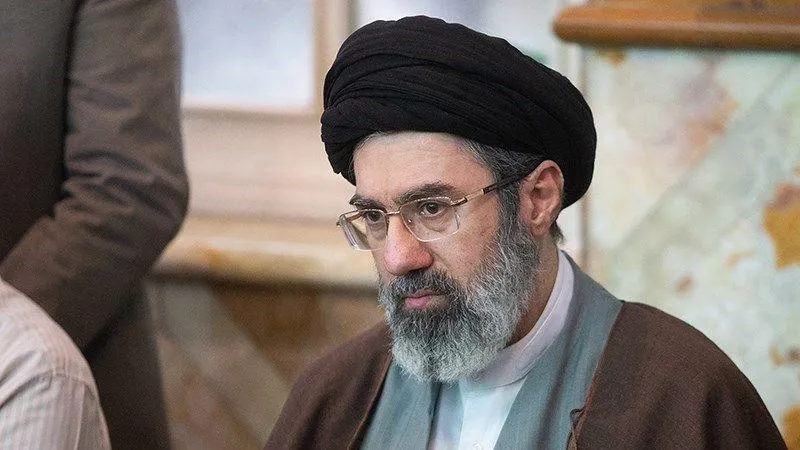
Mojtaba Khamenei, the son of Iran’s Ayatollah Ali Khamenei, who was killed in US-Israeli strikes, has been chosen as his successor.
Unlike his father, the 56-year-old has largely kept a low profile. He has never held government office, nor given public speeches or interviews, and only a limited number of photos and videos of him have ever been published.
But for years there have been rumours that he held considerable influence behind the scenes in Iran.
US diplomatic cables, which were published by WikiLeaks in the late 2000s, described him as “the power behind the robes” who was widely regarded as a “capable and forceful” figure within the regime, according to news agency AP.
Yet his selection could still prove controversial. The Islamic Republic was founded in 1979 after the monarchy was overthrown and its ideology is based on the principle that the supreme leader should be chosen for his religious standing and proven leadership, not through hereditary succession.
During his reign, Ali Khamenei spoke only in general terms about the future leadership of the Islamic Republic.
One member of Iran’s Assembly of Experts – the clerical body that selects the supreme leader – said two years ago that Ali Khamenei opposed the idea of his son being a candidate for future leadership. But he had never publicly addressed such speculation.