The Chairman of the Alliance for Economic Research and Ethics (AERE), Hon. Dele Oye, has called on the Federal Government to adopt a more disciplined fiscal management strategy modelled after Anambra State’s zero-borrowing policy, warning that Nigeria’s growing debt profile poses a serious threat to sustainable economic development.
In a policy statement titled “A Tale of Two Ledgers: Anambra’s Zero-Borrowing Masterclass vs. Nigeria’s Debt Spiral,” Oye contrasted Anambra’s fiscal approach under Governor Chukwuma Soludo with what he described as the Federal Government’s increasing dependence on debt to finance public expenditure.
According to him, while Anambra has prioritised revenue generation, prudent spending and capital investment without taking new loans, Nigeria’s rising public debt continues to weaken economic stability and limit resources available for critical sectors.
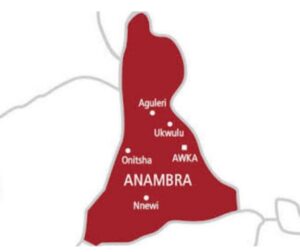
Oye noted that since assuming office, Governor Soludo has maintained a zero-borrowing policy despite inheriting significant debt and operating under difficult economic conditions. He said Anambra’s improved Internally Generated Revenue (IGR) and prudent budgeting have enabled the state to invest heavily in roads, healthcare and education without accumulating additional debt.
He also cited BudgIT’s 2025 State of States Report, which ranked Anambra highest in fiscal performance, attributing the achievement to stronger tax administration and improved financial management.
The AERE Chairman expressed concern over Nigeria’s public debt, which he said had risen to about ₦159.28 trillion by the end of 2025. He warned that excessive borrowing, rising debt servicing obligations and exchange rate risks were placing enormous pressure on the nation’s economy and reducing funds available for infrastructure, education, healthcare and security.
He urged the Federal Government to shift from a debt-driven economic model to one anchored on stronger domestic revenue mobilisation, prudent expenditure, reduced cost of governance and stricter borrowing limits.
As part of his recommendations, Oye proposed closer coordination of fiscal and monetary policies, expanded access to finance for Micro, Small and Medium Enterprises (MSMEs), improved infrastructure, enhanced security, transparent regulations and targeted investments in agriculture, manufacturing and human capital development.
He maintained that the success of economic reforms should be measured not only by macroeconomic indicators but by their impact on job creation, household incomes, poverty reduction and improved living standards for Nigerians.
According to Oye, Nigeria must embrace sustainable fiscal reforms capable of promoting inclusive economic growth while reducing dependence on public debt.