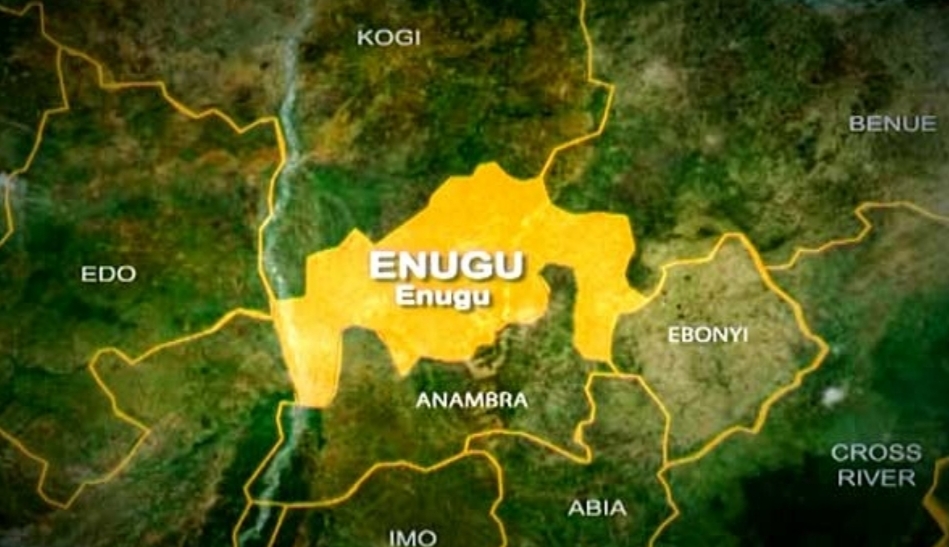
The Government Technical College (GTC), Enugu, has expanded its practical training programmes to equip students with technical, vocational and entrepreneurial skills needed for employment and self-reliance.
The Principal of the institution, Mr Christopher Isife, disclosed this on Wednesday in Enugu while briefing journalists during an inspection of the college’s facilities.
Isife said students were actively involved in practical training and commercial production, including the production of uniforms for 268 Smart Schools across the state.
According to him, the production activities expose students to real-life business practices, as clients engage the institution and pay for completed jobs.
He said students, staff, former students and industry partners were participating in various production projects while the college works to meet delivery deadlines.
The principal also disclosed that the institution had installed high-tech computers for Computer-Aided Design (CAD), enabling students to develop and perfect designs before moving to the production stage.
Isife said the transformation of GTC was part of the state government’s broader effort to position technical and vocational education as a major pathway for young people to acquire practical skills and become self-reliant.
He explained that the model was being extended to other technical education institutions across the state, including newly developed schools.
According to him, admission seekers undergo an entrance examination conducted in collaboration with the National Business and Technical Examinations Board (NABTEB).
The programme runs for three years, after which graduates obtain multiple qualifications, including NABTEB certificates and relevant craft certificates.
Isife said the curriculum was designed to combine classroom instruction with hands-on experience, preparing graduates either for skilled employment or entrepreneurship.
Beyond fashion and technical skills, the college has also developed facilities for hospitality training, where students receive practical instruction in hotel management, catering, reception services, dining arrangements and customer service.
He said the hospitality facilities were designed to replicate a standard hotel environment, allowing students to gain practical experience before entering the industry.
Describing the development as a significant transformation of the institution, Isife said the college would continue to collaborate with government, industry partners, alumni and other stakeholders to expand its training and production capacity.
He stressed that the goal was to produce graduates equipped with relevant, practical skills capable of meeting the demands of the modern economy.