The Economic and Financial Crimes Commission (EFCC) has disclosed that its Awka Zonal Directorate has received 393 petitions, investigated 311 cases, secured 58 convictions and recovered 111 plots of land valued at ₦323 million since commencing operations in February 2026.
The commission also reported recovering ₦835.9 million, $1,135 and €400 during the period, highlighting what it described as its efforts to combat financial crimes and protect residents of Anambra and Imo states.
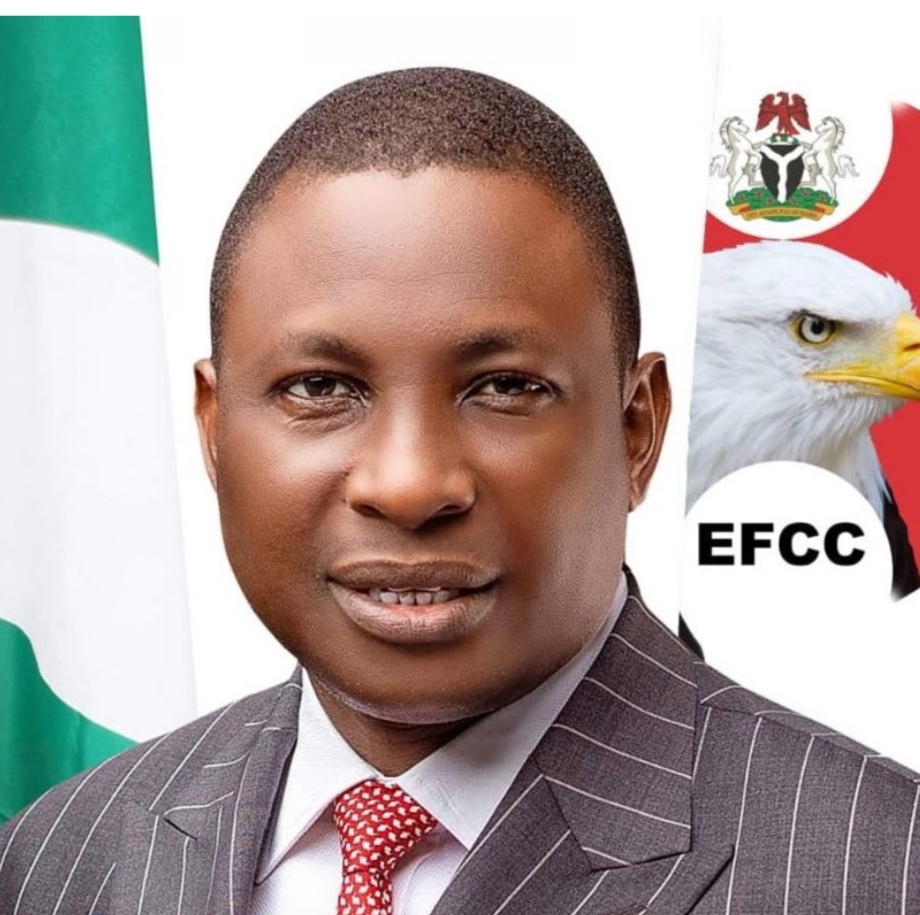
The figures were disclosed during the formal inauguration of the directorate in Awka, Anambra State, where the EFCC Chairman, Ola Olukoyede, assured residents that the office was established to bring the commission’s services closer to the people, rather than to intimidate or target them.
The directorate serves Anambra and Imo states and forms part of the commission’s efforts to expand its operations and strengthen its response to economic and financial crimes.
Olukoyede said the region’s strong commercial activities, entrepreneurial culture and growing businesses made an effective institutional presence necessary to protect legitimate investments from fraud, cybercrime, money laundering and other financial offences.
He explained that the EFCC’s mandate extended beyond arrests and prosecutions to include crime prevention, enforcement and coordination.
According to him, bringing the commission closer to communities would help prevent fraudulent transactions, protect citizens’ savings, strengthen procurement processes and curb the diversion of public funds.
Anambra State Governor, Professor Chukwuma Charles Soludo, also dismissed concerns that the establishment of the directorate was intended to witch-hunt residents, insisting that the fight against economic and financial crimes was a collective responsibility.
Soludo welcomed the commission to the state and pledged his administration’s cooperation, saying the EFCC could support government institutions through training, improved revenue administration and stronger compliance with procurement regulations.
The governor also shared his personal experience with the commission, recounting how he was notified of an investigation involving the Nigerian Security Printing and Minting agency while he was a former Governor of the Central Bank of Nigeria.
He said the investigation did not establish his involvement in the matter and that the commission subsequently communicated its findings to him.
Soludo used the experience to urge the EFCC to maintain professionalism and ensure that individuals invited for investigations are formally informed when inquiries establish no wrongdoing on their part.
He stressed that allegations and invitations to investigations should not automatically be interpreted as evidence of guilt, particularly in cases that attract public attention.
Similarly, Imo State Governor Hope Uzodimma described the directorate as an important step towards decentralising the commission’s operations and improving access to its services across the South-East.
He noted that residents would no longer face the same burden of travelling to distant cities, such as Lagos or Abuja, to attend to certain EFCC related matters.
Uzodimma also commended Olukoyede’s leadership, describing the commission’s approach as increasingly people oriented.
The inauguration attracted several dignitaries, including Speaker of the House of Representatives, Tajudeen Abbas, members of the National Assembly, state lawmakers, business leaders and other stakeholders.
While the establishment of the directorate initially generated debate among some residents over its implications for the region, the EFCC leadership and the two governors maintained that its presence would strengthen financial accountability, support legitimate businesses and improve access to justice.
The commission’s reported recoveries and case figures have further highlighted its stated role in addressing financial crimes and assisting victims in recovering lost funds and properties.
Written by Enitan Mudashiru