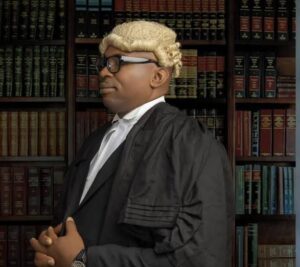
Legal practitioner and human rights advocate Douglas Ogbankwa Esq. has highlighted the constitutional limits of stop and search operations in Nigeria, stressing that law enforcement officers must exercise their powers lawfully, professionally and with respect for citizens’ fundamental rights.
In an article titled “The Law on Stop and Search in Nigeria,” published under the Security Situation Room platform, Ogbankwa explained that stop and search operations are legitimate tools for crime prevention and detection but warned against their alleged misuse for extortion, intimidation and arbitrary harassment.
He maintained that the purpose of the exercise should be to identify and prevent crime rather than create opportunities for officers to demand money from members of the public.
Ogbankwa identified the Constitution of the Federal Republic of Nigeria, 1999, as amended, the Police Act, 2020, and applicable criminal procedure laws as key legal frameworks governing police conduct during stop and search operations.
He referenced constitutional protections relating to human dignity, personal liberty, privacy and freedom of movement, arguing that law enforcement activities must respect these rights and comply with applicable legal requirements.
According to the lawyer, reasonable suspicion is central to determining whether a stop-and-search operation is justified. He argued that officers should rely on specific facts or credible intelligence linking a person or vehicle to suspected criminal activity rather than arbitrary assumptions based on appearance, possessions or personal characteristics.
Using a stolen vehicle investigation as an example, Ogbankwa explained that if security agencies receive credible information about a particular vehicle linked to a crime, officers may use that information to guide their search efforts.
He also emphasised the importance of proper identification and professional conduct, urging officers to treat citizens with dignity and avoid intimidation or unnecessary force during searches.
On the search of electronic devices, Ogbankwa cautioned against routine inspection of mobile phones, laptops, emails and banking applications without an appropriate legal basis. He argued that such practices raise concerns about the constitutional right to privacy.
The lawyer further warned that unlawful detention, assault, degrading treatment and demands for money during police operations could expose offending officers to legal consequences, depending on the circumstances and applicable law.
He advised members of the public to remain calm during stop and search encounters, ask officers to explain the reason for the search, request proper identification and document relevant details where it is safe and lawful to do so.
Ogbankwa also cautioned citizens against offering bribes or engaging in violent resistance, recommending that complaints about alleged misconduct be pursued through appropriate legal and institutional channels.
Among the remedies he identified for alleged violations were fundamental rights proceedings, petitions to relevant police complaint bodies and the National Human Rights Commission, as well as civil or criminal proceedings where supported by the facts and applicable law.
He called for improved police training and stronger accountability mechanisms, insisting that stop and search operations should remain focused on public safety and crime prevention rather than becoming a means of exploiting citizens.
Ogbankwa concluded that respect for the law and the protection of fundamental rights must remain central to policing in Nigeria, urging law enforcement agencies to ensure that officers understand both the scope and the limits of their statutory powers.
Written by Enitan Mudashiru