The Federal Government and the Abia State Government have reaffirmed their commitment to expanding social protection for workers in the informal economy through inclusive policies, stronger collaboration and improved access to essential welfare services.
The commitment was made at a Social Dialogue Engagement on Extending Social Protection to Workers in the Informal Economy, held in Abia State, with government officials, labour stakeholders and representatives of the International Labour Organisation (ILO) in attendance.
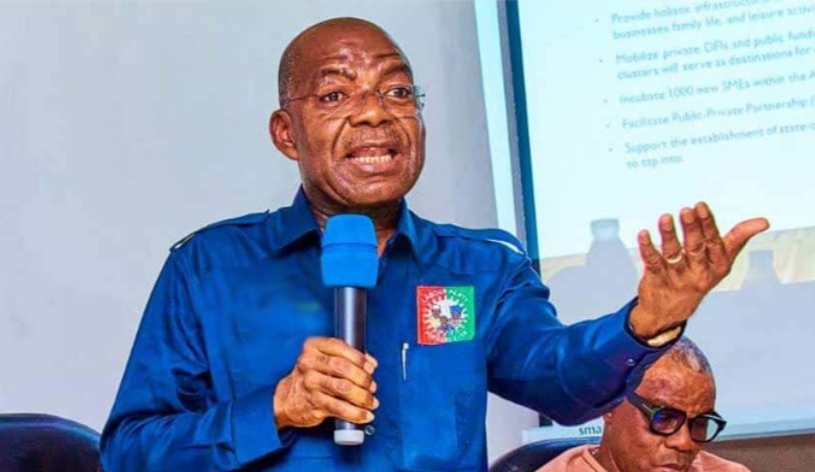
Speaking at the engagement, Abia State Governor, Dr Alex Otti, said informal sector workers played significant roles in the state’s economic activities and deserved access to social protection, irrespective of their employment arrangements.
Otti identified healthcare, pension benefits, maternity protection, occupational safety and other essential welfare provisions as important components of decent work and inclusive economic development.
He assured participants of his administration’s readiness to collaborate with the Federal Government and the ILO to develop sustainable social protection mechanisms for informal economy workers.
Also speaking, the Minister of Labour and Employment, Muhammad Dingyadi, described the expansion of social protection to informal workers as a priority of the Federal Government’s labour policy.
He noted that although informal sector workers contributed significantly to national productivity and economic growth, millions remained exposed to economic challenges, workplace hazards, inadequate healthcare and limited retirement security.
The minister said the Federal Government would continue to work with state governments and the ILO to promote inclusive social protection systems through policy reforms and effective implementation strategies.
Dingyadi also emphasised the importance of social dialogue in building trust, reaching consensus and ensuring that workers and other stakeholders participated in policy development.
He urged participants to develop practical recommendations that would improve access to social protection for women, youths, artisans, traders and agricultural workers.
In her remarks, the ILO Country Director for Nigeria, Vanessa Phala, reaffirmed the organisation’s commitment to supporting federal and state governments in strengthening social protection systems and promoting decent work across the country.
Phala described social protection as an important tool for reducing poverty, promoting social justice, improving workers’ welfare and building resilient economies.
She called for stronger institutional frameworks, sustainable funding, increased public awareness and better coordination among relevant stakeholders to ensure effective implementation.
The engagement highlighted the need for sustained cooperation among government institutions, labour organisations and development partners to extend social protection to workers who often operate outside conventional employment structures.
Written by Enitan Mudashiru