The African Democratic Congress (ADC) has rolled out its full timetable for the 2026 primary elections, setting the stage for a crucial political season, even as internal crises continue to shake the party.
In a statement issued by its National Publicity Secretary, Bolaji Abdullahi, the party detailed a packed schedule covering nomination, screening, appeals, and primaries for all elective positions.
According to the timetable, “the sale of nomination forms will take place from May 5 to May 10, 2026, while the submission of completed forms is scheduled for May 11 to May 13, 2026.
“Screening of aspirants will take place from May 14 to May 15, 2026, followed by the publication of screening results on May 17, 2026.”
The party further outlined its appeals process and final preparations ahead of the primaries.
It added, “Primary elections will commence on May 21, 2026, with elections for State Houses of Assembly, House of Representatives, and Senate seats holding simultaneously at the ward level.
“The Governorship primaries will take place on May 22, 2026, while the Presidential Primary is scheduled for May 25, 2026.”
A National Executive Committee meeting is slated for May 26, followed by a Special National Convention on May 27, where final ratifications will be concluded.
But the biggest shocker? The cost of ambition.
The ADC announced a steep fee structure for aspirants, putting its presidential nomination form at a staggering ₦100 million—matching the benchmark set by the All Progressives Congress (APC).
According to the party, “The presidential nomination form is pegged at N100 million, governorship at N50 million, Senate at N20 million, House of Representatives at N10 million, and State House of Assembly at N3 million.”
In a bid to soften the blow, the party introduced discounts—50 per cent for youths and 25 per cent for women and persons with disabilities.
Despite the structured rollout, the announcement comes at a turbulent time for the ADC, which is grappling with a prolonged leadership crisis.
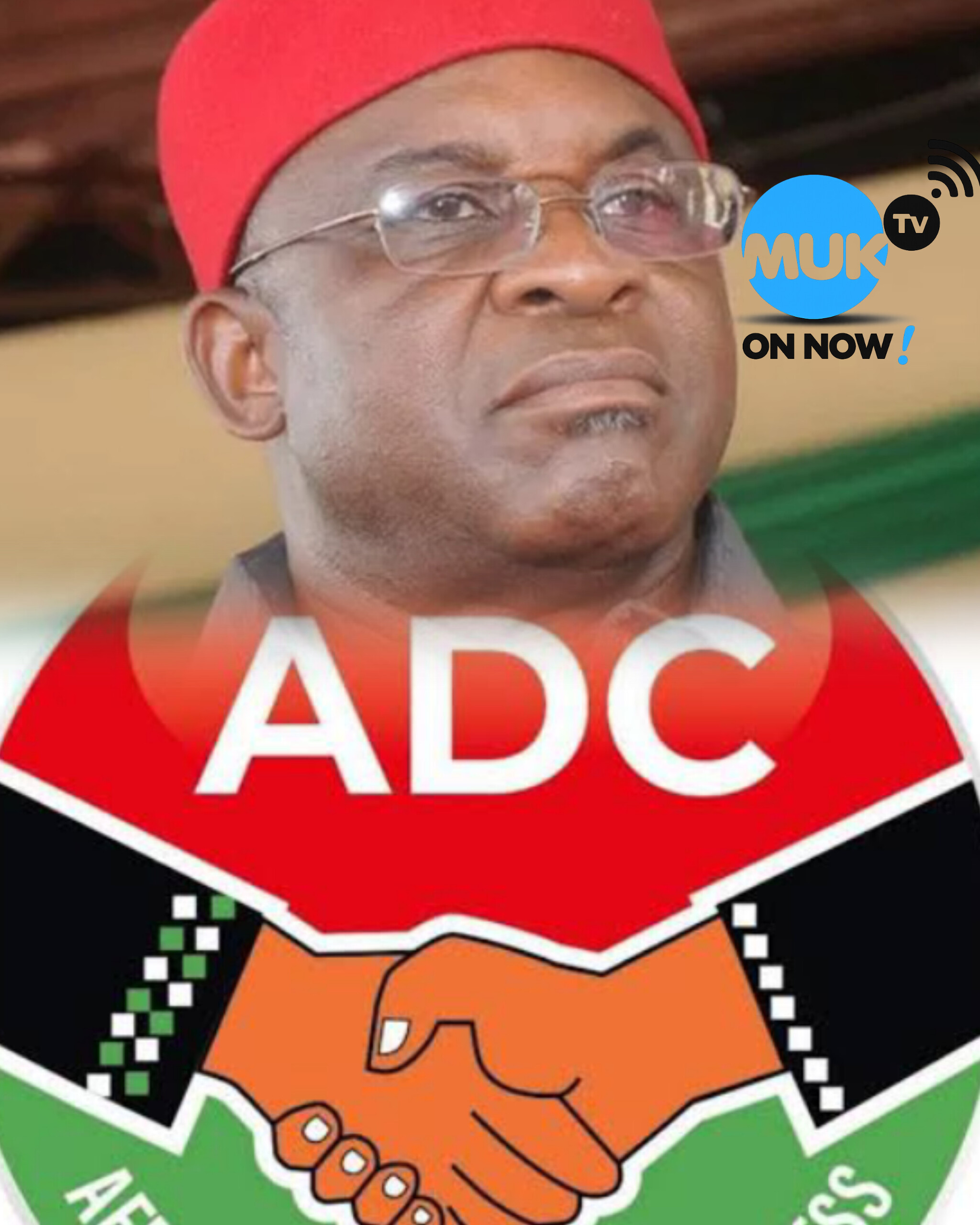
A recent ruling by the Supreme Court of Nigeria reinstated a faction linked to David Mark, but the party remains deeply divided, with ongoing legal battles, factional tensions, and uncertainty over its readiness for the 2027 elections.
With key opposition figures already weighing their options and internal disputes far from resolved, the ADC’s ambitious timetable now faces a critical test: can the party hold itself together long enough to execute it?