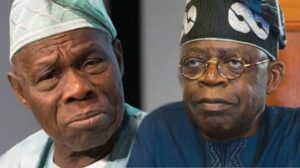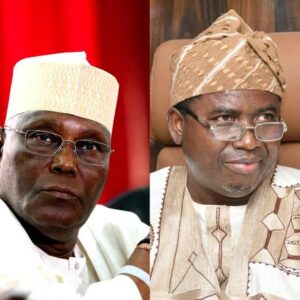
Everything about Nigeria always seems to have its own unique features. Politics, of course, is one of them, and by extension, the nation’s electoral process. Some practices and realities are peculiar to Nigerian politics, so much so that our political culture has expanded the country’s political lexicon in remarkable ways. Terms such as money politics, vote-buying, ballot snatching, and political thuggery have become widely associated with the Nigerian democratic experience. Yet, one of the most enduring tragedies of Nigerian politics remains the phenomenon of political godfatherism.
Across the country, elected officials and aspiring politicians frequently rise not necessarily because they are the most popular, the most competent, or the most visionary. Rather, their greatest strength often lies in the backing of influential political patrons who reserve for themselves the power to determine who rises, who falls, and who remains politically relevant.
Whenever politicians secure the support of such powerful figures, they often celebrate it and describe the process as democracy in action. Yet the dangerous irony of godfatherism is that those favoured today can easily become targets tomorrow. The recent political turmoil involving Rivers State Governor, Siminalayi Fubara, and the controversies surrounding Lagos lawmaker and Nollywood actor, Desmond Elliot, once again expose the instability and unpredictability of a system where loyalty to powerful individuals often matters more than accountability to the people. Unfortunately, this culture neither started today nor shows any sign of ending anytime soon.
There is little doubt that in Nigeria, political success increasingly depends on elite endorsement. Political godfathers hold enormous influence within the nation’s electoral process. In many cases, they are the kingmakers, financiers, and controllers of party structures—all rolled into one. Politicians understand that ignoring them often comes at great political risk. This is why candidates frequently emerge through patronage networks rather than open and transparent competition. Political advancement has increasingly become tied to the blessing of influential individuals instead of democratic credibility.
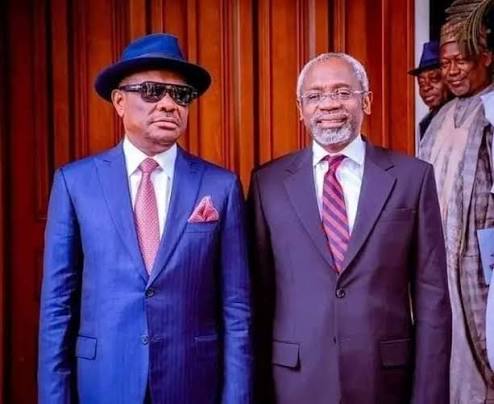
The Fubara example illustrates this reality quite clearly. The Rivers State governor rose largely through the political backing of his predecessor, Nyesom Wike, and the powerful political structure he controlled in the state. Throughout the campaign period, Fubara appeared almost politically overshadowed, with Wike dominating campaigns and speaking forcefully on his behalf at public events. At the time, Fubara was widely projected as Wike’s trusted political son and loyal successor. But the relationship later deteriorated into open political conflict, and quite rapidly too, considering how early it happened within Fubara’s tenure as governor.
What followed was a prolonged political crisis characterised by impeachment threats, division within state institutions, legislative turmoil, and governance instability. Interestingly, neither camp has openly admitted the exact cause of the breakdown between the political godfather and his protégé. What we know is that at a point, they appeared to have settled their differences. But what manner of settlement agreement would include denying a sitting governor the right to seek a second term in office, contrary to constitutional provisions, as a condition for peace? Clearly, the governor must have negotiated from a position of weakness. One thing remains obvious: political sponsorship in Nigeria often comes with expectations of permanent loyalty, influence, and control. Once those expectations are perceived to have been violated, conflict becomes almost inevitable.
Nollywood star-turned-politician Desmond Elliot’s political troubles are not entirely different from Fubara’s experience. Elliot rose politically under the backing and influence of the Chief of Staff to the President, Femi Gbajabiamila, eventually becoming a three-term member of the Lagos State House of Assembly. At different times when he emerged as his party’s candidate and subsequently won elections, it was not necessarily because he was the best possible candidate available within the party or constituency. He clearly enjoyed strong political protection and elite backing at the time.