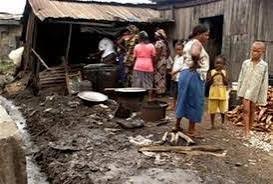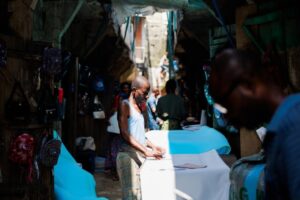
The International Monetary Fund has warned that rising prices of essential goods could worsen poverty and food insecurity in Nigeria despite improvements in the country’s macroeconomic stability and favourable external trade conditions.
The IMF disclosed this in its October 2026 World Economic Outlook report, titled ‘Resilience Under Strain, Urgent Choices’, published on Tuesday, highlighting the growing disconnect between improvements in economic indicators and the living conditions of vulnerable households.
“Nigeria is supported by improved macroeconomic stability and favourable terms-of-trade effects, though higher prices for essentials are expected to further aggravate poverty and food insecurity,” the Fund stated.
The assessment suggests that Nigeria’s recent economic stabilisation efforts have strengthened its economic outlook but have yet to eliminate the pressures facing households, particularly those struggling with the rising cost of food and other basic necessities.
According to the IMF, Nigeria is among the larger economies in sub-Saharan Africa benefiting from earlier stabilisation measures and economic reforms, although the region remains exposed to commodity price volatility, climate shocks and limited access to external financing.
The report projected that economic growth in sub-Saharan Africa would remain stable at 4.5 per cent in 2026, reflecting differences in policy implementation, fiscal capacity and exposure to global economic disruptions.
It stated, “Growth in sub-Saharan Africa is expected to remain stable at 4.5 per cent in 2026, though this masks some substantial divergence across countries.”