A Nigerian public health expert has urged the Federal Government to sustain investments in disease surveillance and emergency preparedness as the deadly Bundibugyo strain of the Ebola virus continues to spread across the Democratic Republic of Congo and Uganda.
Although Nigeria has not recorded any confirmed Ebola case since successfully containing the 2014 outbreak, the World Health Organization (WHO) has warned that the ongoing outbreak in Central Africa increases the risk of cross-border transmission.
The WHO reports that the current outbreak has recorded more than 1,400 confirmed cases and over 400 deaths, making it the largest outbreak ever linked to the Bundibugyo strain. Uganda has also confirmed imported cases connected to the outbreak in eastern DR Congo.
Reacting to the development, public health expert and Senior Registrar in Community Medicine and Public Health at the University of Abuja Teaching Hospital, Dr. Adewale Adeleye, said Nigeria’s experience in combating Lassa fever, Ebola and COVID-19 has significantly strengthened its disease surveillance and emergency response systems.
According to him, Nigeria now has improved Emergency Operations Centres, Rapid Response Teams, Incident Management Systems and expanded laboratory networks, making the country better prepared than it was during the 2014 Ebola outbreak.
He also referenced a recent Nigeria Centre for Disease Control and Prevention (NCDC) simulation exercise in Abuja, where more than 100 healthcare workers tested the country’s readiness to respond to a possible imported Ebola case.
Despite these improvements, Dr. Adeleye warned that persistent challenges including inadequate healthcare funding, weak laboratory capacity, poor infection prevention measures and gaps in disease surveillance—could undermine Nigeria’s response if Ebola enters the country.
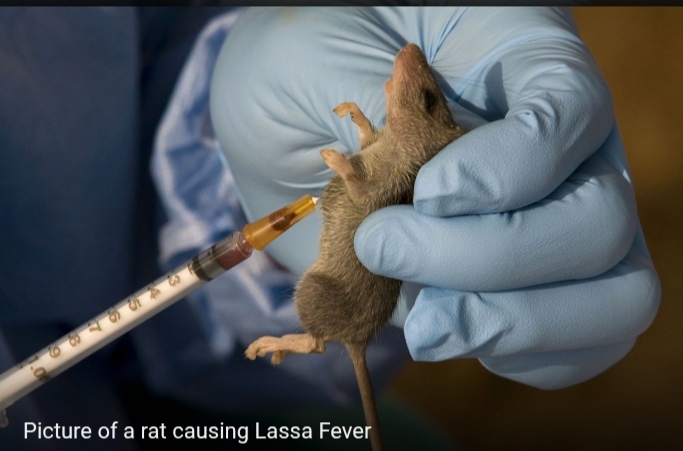
He noted that Nigeria continues to battle Lassa fever, with the NCDC recording 855 confirmed cases and 214 deaths across 23 states as of epidemiological week 23 of 2026, highlighting the need for sustained vigilance.
To strengthen preparedness, the Federal Government recently released ₦21.2 million to each state to support surveillance, rapid response and emergency planning against Ebola and other emerging diseases.
Dr. Adeleye called for continuous investment in healthcare infrastructure, regular training for frontline health workers, improved laboratory services and stronger collaboration with neighbouring countries to prevent the spread of infectious diseases.
He also advised Nigerians to maintain good hygiene, seek prompt medical attention for unusual symptoms, and rely only on verified health information during disease outbreaks.