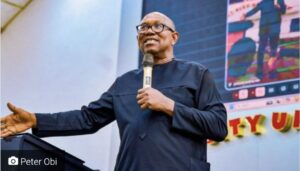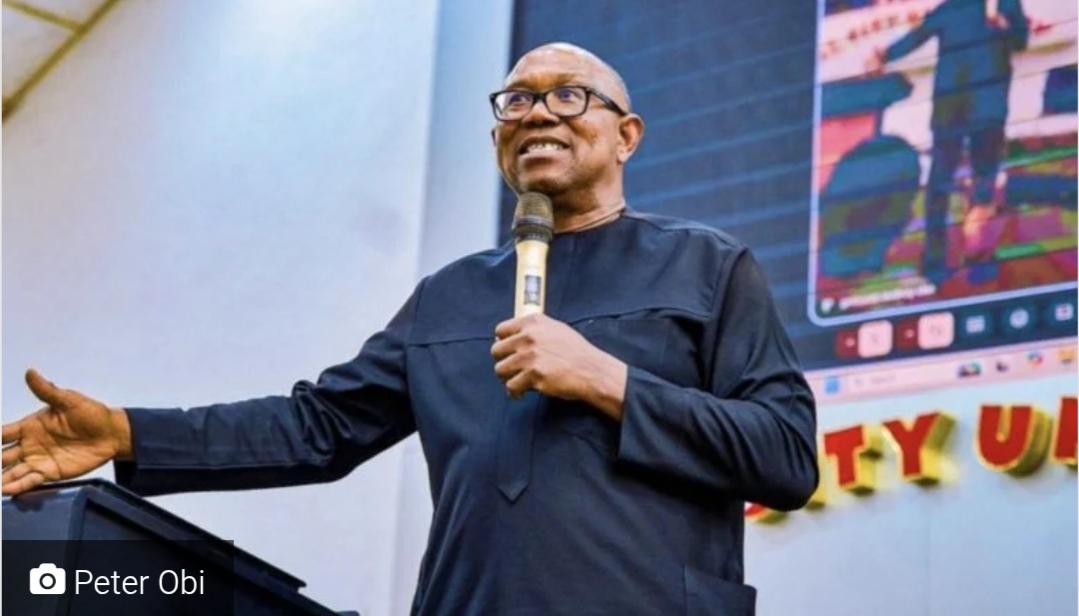
Former Anambra State Governor and presidential candidate of the Nigeria Democratic Congress, NDC, Peter Obi, has challenged the Anambra State Government to produce evidence of any unpaid financial obligation he left behind when he handed over power.
Obi made the challenge in response to comments by the state government that it was still servicing loans and other financial obligations inherited from previous administrations, including facilities obtained during his tenure.
The former governor insisted that he left office without owing salaries, pensions, gratuities, contractors or suppliers.
He went further to attach a political consequence to any evidence establishing that he left behind an unpaid obligation.
“I left office as Governor nearly 13 years ago. On the day I left office, I was not owing any salaries, pensions, gratuities or any money that the Anambra State Government was supposed to pay.
“I did not owe a single supplier or contractor. If you find even one person I owed, I will end my 2027 campaign today,” Obi said.
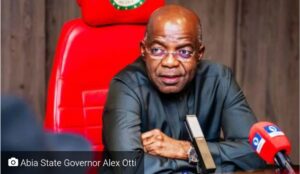
The statement followed comments by the Anambra State Commissioner for Finance, Izuchukwu Okafor, who disclosed that the state was still making repayments on loans obtained by previous administrations.
Speaking on the Ndi Anambra podcast released by the state government’s New Media team, Okafor said deductions were still being made from the state’s monthly Federation Account Allocation Committee, FAAC, receipts to service inherited loans.
According to him, the loans were obtained under previous administrations, including those of Peter Obi and former Governor Willie Obiano.
“Every month during our FAAC meetings, when you see the schedule of FAAC, you will notice there are substantial, significant deductions from our own FAAC because of loans previously borrowed by previous administrations,” Okafor said.
He added that the loans were borrowed during the administrations of Obi, Obiano and other former governors.
Obi governed Anambra State from 2006 to 2014 and was succeeded by Willie Obiano, who remained in office until 2022. Governor Chukwuma Soludo assumed office in March 2022.
The issue has now brought Obi’s financial record as governor into renewed focus as he prepares for another presidential contest in 2027.
Meanwhile, Okafor said the administration of Governor Soludo had not obtained any commercial bank loan since assuming office.
“It’s on record that this administration has not borrowed a kobo from any commercial bank since the inception of this administration,” he said.
He explained that the absence of new commercial borrowing did not mean the state had stopped servicing inherited obligations, noting that some loans were structured to allow repayments through deductions from federal allocations.
The commissioner also claimed that Anambra’s overall debt profile had declined by more than 83 per cent since Soludo assumed office.
“We have been able to manage the state debt very well, that we have brought it down by more than 83 per cent as of today,” Okafor said.
According to him, the government had repaid a substantial portion of the liabilities inherited from previous administrations and had also addressed several domestic obligations, including unpaid contracts, gratuity arrears and pension arrears.
He said Anambra’s domestic debt was now almost at zero balance.
“In terms of our domestic debt as of today is near-zero balance,” he said.
However, the commissioner noted that some external obligations remained outstanding, particularly foreign-denominated facilities secured through institutions such as the World Bank.
He explained that repayment arrangements attached to some of the facilities allowed deductions to be made directly from the state’s federal allocations before the balance was released to the government.
Okafor also disclosed that the state had recently completed repayment of one of its outstanding obligations, identified as CAGS.
“There is one debt that we recently paid off, CAGS,” he said.
The commissioner maintained that clearing inherited liabilities had created additional fiscal space for the state government.
“So, in a nutshell, I’ve been able to, you know, create more fiscal space for Anambra State,” Okafor said.
The contrasting positions have set the stage for renewed public scrutiny of Anambra State’s inherited debt profile and the financial records of successive administrations ahead of the 2027 elections.