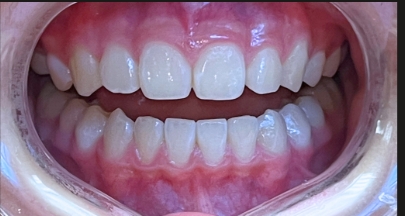
Japanese researchers are conducting clinical trials of an experimental treatment designed to stimulate the growth of an entirely new human teeth, this breakthrough could dramatically reshape the future of dentistry. The researched therapy works by targeting biological mechanisms that normally prevent additional tooth development, potentially enabling patients to naturally regrow lost teeth rather than relying on dentures, bridges, or dental implants.
In fact, the study been carried out by Japanese researchers under the direction of Dr. Katsu Takahashi represents a significant advancement in the field of tooth regeneration. The USAG-1 protein, which inhibits tooth formation, is the subject of the investigation. Researchers have effectively awakened latent tooth buds in mice and ferrets by creating an anti-USAG 1 antibody, resulting in the regrowth of tooth structures. This work has been published in peer-reviewed journals and is currently being investigated in human trials at Kyoto University Hospital. By 2030, the medication is supposed to be made available for widespread use.
While the treatment remains in the research and testing phase, its potential impact is significant. Tooth loss affects millions of people worldwide as a result of injury, disease, genetic conditions, and aging. If proven safe and effective, regenerative tooth therapy could revolutionize dental care in much the same way that laser eye surgery transformed vision correction.
Researchers remain cautiously optimistic as clinical trials continue to assess the treatment’s safety, effectiveness, and long-term outcomes\effects. Though widespread availability is still years away, the prospect of naturally regrowing human teeth represents one of the most promising advances in regenerative medicine and oral healthcare.
MukTv
Morgan Mbila