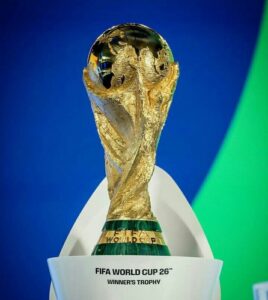
The introduction of mandatory hydration breaks at the 2026 FIFA World Cup could generate an estimated €220 million in additional advertising revenue for broadcasters, fueling debate over whether the stoppages are driven by player welfare or commercial interests.
The three-minute hydration breaks, introduced in the 22nd and 67th minutes of every World Cup match, have created new advertising slots for television broadcasters throughout the tournament.
Industry estimates suggest that the additional commercial airtime across all 104 World Cup matches could generate approximately €220 million in extra revenue. In the United States, broadcasters are reportedly charging hundreds of thousands of dollars for 30-second advertising slots during the breaks, with prices increasing significantly for high-profile matches.
The policy has sparked criticism from fans, players, and coaches, many of whom argue that the mandatory stoppages interrupt the flow of matches and prioritize commercial opportunities over the traditional rhythm of football.
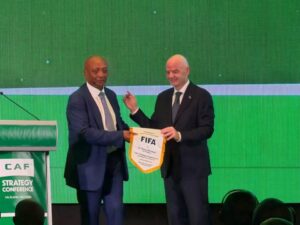
However, FIFA President Gianni Infantino has rejected claims that the hydration breaks were introduced for financial reasons, insisting the decision was made solely to protect player welfare in the challenging weather conditions expected during the tournament. He also stated that FIFA does not receive additional revenue from the extra advertising because its commercial agreements were finalized before the tournament began.