Rubby Obinna
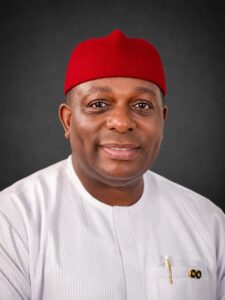
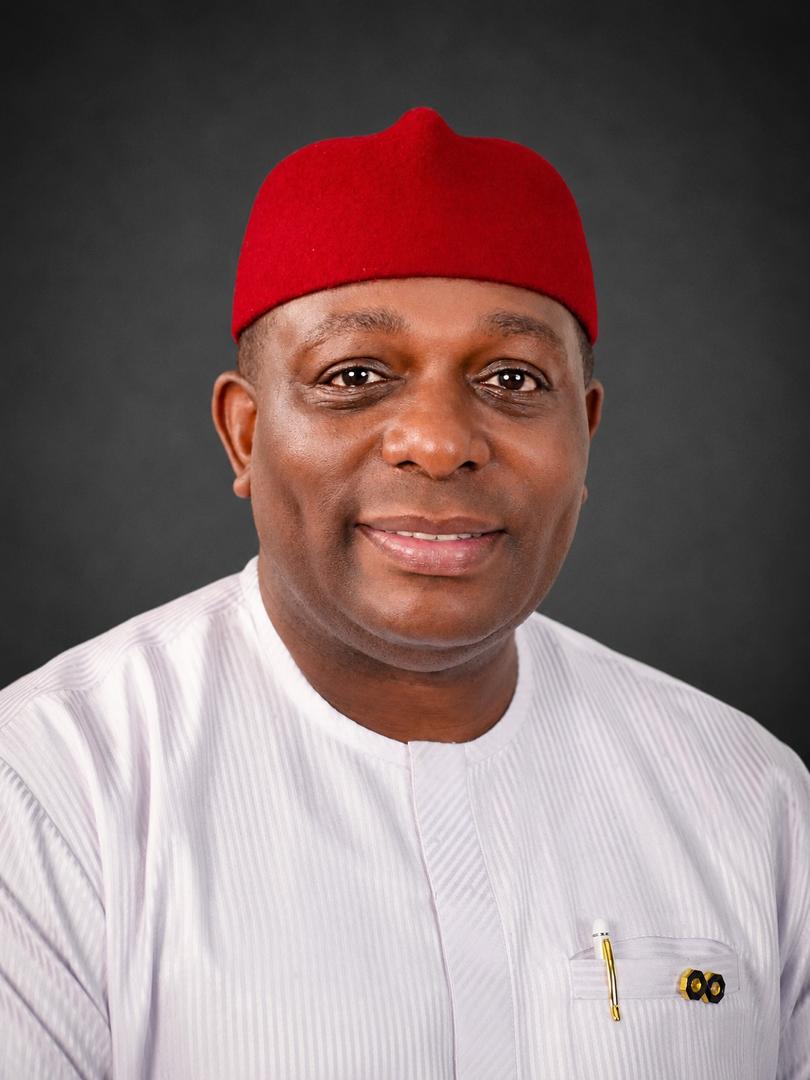
Infrastructure matters, but it cannot do the job on its own. That is the position of Mascot Uzor-Kalu, who argued in a recent interview Wednesday September 16, that while roads, bridges, and hospitals are important, real progress will only come when there is direct investment in the people who use them.
Speaking during the session, Uzor-Kalu acknowledged the need for better facilities across communities.
“We all want good roads, bridges, hospitals, better infrastructure around our people now,” he said.
“And all of that is very good.”
He however cautioned that physical development without human capital support leaves a gap.
“Investing in the people is the most important thing,” he stated.
“That is the reason why I talk about Arụtu Uzọ Arụtu Afọ.”
To explain the point, he used everyday examples. Good roads help traders get to the market faster. They also help farmers move produce from the farm to the city.
Footage shared alongside his remarks showed women riding on a truck loaded with bags of farm goods, with one balancing a bowl on her head.
But he stressed that access alone is not enough. “That alone does not solve the problem,” he said.
“They also need financing to be able to put food on the table.”
Uzor-Kalu linked financing to business survival and growth. An on-screen graphic noted that 8 out of 10 businesses have been open for less than 5 years, a figure he used to underline why capital is critical.
“They also need financing to be able to expand their business,” he added.
The concept of Arụtu Uzọ Arụtu Afọ was presented with a logo showing two hands cradling a road, buildings, a sun, a family, and bags of money and produce.
For Uzor-Kalu, the message is clear: development must pair concrete with capital. Roads can open the way, but it is funding, skills and support for traders, farmers and small business owners that will determine whether poverty is truly reduced.
Rubby Obinna