The President of the Ndigboamaka Progressive Market Association, Comrade Chinedu Ukatu, has expressed concern over the demolition of shops in Lagos markets, poor infrastructure, and policies he says continue to hinder the growth of businesses, particularly those operated by traders in the South-East.
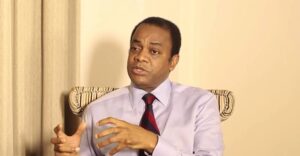
Speaking in an interview with Daily Champion Newspapers, Ukatu dismissed claims that recent demolitions in Lagos were targeted solely at Igbo traders. According to him, the affected markets are occupied by people from different ethnic groups, although Igbos constitute the majority of traders.
He, however, faulted the manner in which some demolitions were carried out, alleging that authorities failed to follow due process by not adequately distinguishing between traders with approved structures and those without.
Ukatu said the lack of proper engagement with traders before demolition exercises has continued to fuel public concern and distrust.
The market leader also dismissed the description of certain commercial centres in Lagos as “Igbo markets,” explaining that they are open markets where traders from different ethnic backgrounds conduct business.
He lamented the poor state of infrastructure in major markets across Lagos, citing deteriorating roads, inadequate water supply, poor sanitation, and the absence of essential public facilities despite the taxes and levies paid by traders.
According to him, governments at different levels should prioritize providing basic infrastructure and a more conducive environment for businesses rather than focusing solely on revenue collection.
On the slow pace of commercial development in the South-East, Ukatu attributed the challenge to inadequate infrastructure, insecurity, poor road networks, multiple taxation, and the absence of functional seaports.
He argued that improved infrastructure and business-friendly policies would encourage more traders to invest in the region.
Looking ahead to the 2027 general elections, Ukatu urged Nigerians, especially members of the business community, to support leaders who will implement policies that promote economic growth, reduce the cost of doing business, and create an enabling environment for entrepreneurs.
He maintained that while his association remains non-partisan, it will continue to support policies and administrations that protect the interests of traders and strengthen Nigeria’s economy.