The United Nations Children’s Fund (UNICEF) has emphasised the importance of exclusive breastfeeding and locally available nutritious foods during the first 1,000 days of a child’s life, describing the period as critical for healthy brain development, growth and overall wellbeing.
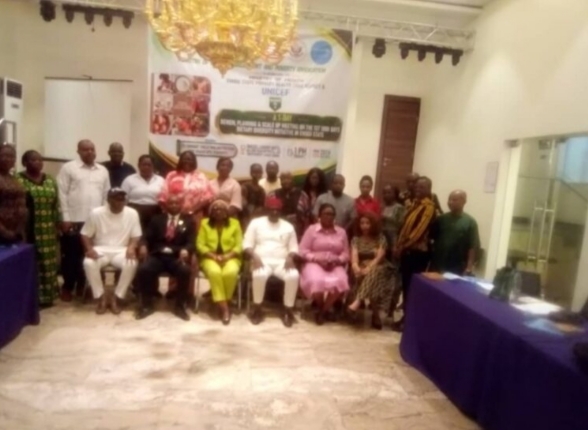
Speaking at a one-day review, planning and scale-up meeting on the First 1000 Days Dietary Diversity Initiative in Enugu, UNICEF Nutrition Specialist, Dr. Ngozi Onuora, said the first 1,000 days begin from conception through pregnancy and continue until a child reaches two years of age.
She recommended exclusive breastfeeding for the first six months of life, followed by complementary feeding using locally sourced foods such as vegetables, maize, beans, yam, plantain and watermelon to support healthy physical and cognitive development.
Dr. Onuora expressed concern that about 15 per cent of children in Enugu State suffer from stunted growth, indicating inadequate nutrition during early childhood.
She disclosed that UNICEF, with support from the Child Nutrition Fund (CNF) and the United States Government, is implementing the dietary diversity initiative in Igbo-Etiti, Udi and Nkanu West Local Government Areas, where the programme has recorded encouraging results through nutrition education, vegetable gardening, livestock farming and complementary food production.
Also speaking, the Enugu State Commissioner for Human Development and Poverty Eradication, Professor Bernadette Okoli, described the first 1,000 days as a vital stage in a child’s development, stressing that proper nutrition during the period improves survival, learning ability and future productivity.
She noted that the meeting provided an opportunity to review progress, strengthen partnerships and develop strategies for expanding the initiative to all local government areas in the state.
UNICEF said plans are underway to extend the programme statewide following the success recorded in the pilot communities, as part of ongoing efforts to reduce child malnutrition and improve child health outcomes in Enugu State.