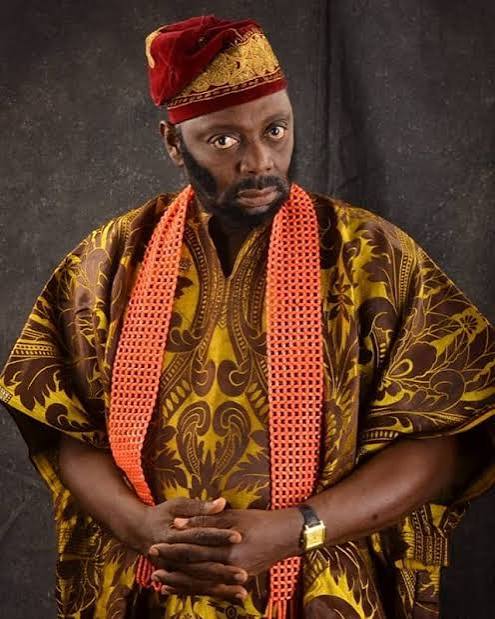
Veteran actor, Segun Arinze, speaks to NAOMI CHIMA about movies, music and other aspects of his career
As a prolific voice-over artist, what is your daily routine for maintaining your vocal health and range?
My voice is my instrument, so I treat it with the same seriousness a musician treats a prized instrument. I start my day with hydration, breathing exercises, vocal warm-ups and articulation drills. I also work on resonance and pitch because voice-over isn’t simply about having a good voice; it is about having control, texture, emotion and versatility.
One habit that may surprise people is that I practise silence. I don’t believe you have to be talking all the time to be a great voice artist. Sometimes, resting the voice and listening are just as important as exercising it.
I also study voices: how people speak, breathe, pause and communicate emotion. Every voice tells a story.
You became established for playing Black Arrow in the movie, ‘Silent Night’. How hard did you have to fight against being typecast as a villain after that massive success?
Very hard! Silent Night and Black Arrow changed the trajectory of my career, but success can sometimes become a cage if you allow people to define you by one character.
I deliberately sought out different roles. I wanted people to understand that Black Arrow was a character I played exceptionally well; he was not Segun Arinze. I played heroes, villains, fathers, lovers, professionals and complex characters. I also went into producing, directing, presenting and voice-over.
In fact, being typecast taught me something important: an actor must never stop reinventing himself. If you don’t challenge the industry’s perception of you, it will happily keep you in the same box. Black Arrow may be legendary, but Segun Arinze is still writing the next chapter.
You have worked both in front of and behind the camera. How does your experience as a director change how you take direction as an actor?
Being a director has made me a better actor because I understand what the director is trying to achieve. When I’m acting, I don’t just think about my character; I understand the scene, the camera, the rhythm and the larger story.
What’s the biggest mistake you see directors making when handling veteran actors?
As for veteran actors, the biggest mistake is assuming that experience means stubbornness, or that age means an actor has nothing new to learn. That’s wrong.
A veteran actor should be respected, but respect doesn’t mean you cannot direct them. Give them the creative reason behind what you’re asking for. Talk to them. Don’t shout at them. Don’t try to intimidate them. Great actors respond to good direction.