The Anambra State Government has defended its decision to opt out of the World Bank-supported HOPE-GOV programme, insisting that the move was a deliberate policy choice aimed at safeguarding the state’s financial future and not a result of failure to qualify for the facility.
In a statement issued on Friday, the government dismissed reports suggesting that Anambra was excluded from the programme due to non-compliance with eligibility requirements, describing such claims as false, misleading and mischievous.
According to the government, the HOPE-GOV programme is a concessional loan provided by the World Bank through the International Development Association (IDA) to the Federal Government for onward lending to participating states, and not a grant as widely perceived.
The state explained that the loan agreement requires beneficiary states to repay the facility in the same currency in which it was disbursed, with repayments to be deducted from future allocations from the Federation Account Allocation Committee (FAAC).
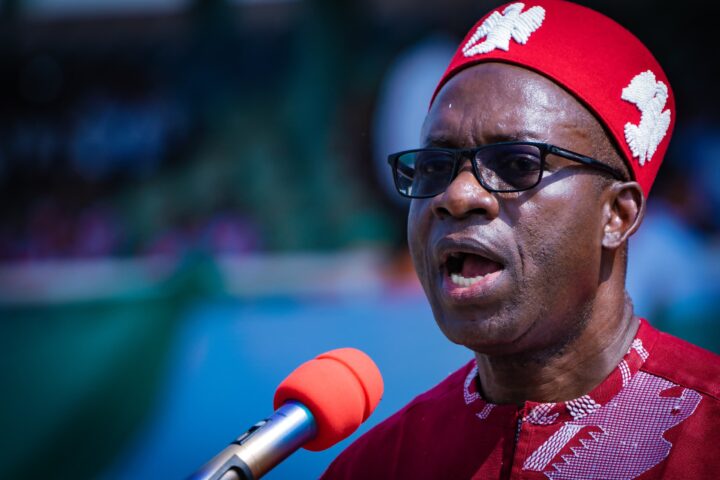
The government argued that accepting the loan would have committed the state to expenditure priorities that do not align with Governor Chukwuma Soludo’s development agenda.
According to the statement, the Soludo administration deliberately rejected the facility because it prioritises investment in critical infrastructure, industrialisation and human capital development over borrowing for recurrent or consumption-related expenditure.
The government said the decision is consistent with Governor Soludo’s long-standing position against accumulating debts that could burden future administrations.
It recalled the governor’s earlier comments on the World Bank-assisted NG-CARES programme, where he stated that Anambra deliberately declined the loan to avoid creating what he described as a “debt overhang.”
The administration maintained that its economic philosophy is anchored on fiscal discipline, responsible public finance management and sustainable development rather than dependence on external borrowing.
Highlighting its achievements, the government noted that Anambra has continued to benefit from grant-based interventions that align with its development priorities.
It cited the successful implementation of the State Fiscal Transparency, Accountability and Sustainability (SFTAS) programme, as well as the state’s recognition by the Federal Ministry of Health and development partners as Nigeria’s Best Performing State in Primary Health Care and the leading state in the South-East.
The government stressed that the success of the Soludo administration should not be measured by the volume of loans obtained but by the quality of infrastructure delivered, improvements in healthcare and education, and investments capable of creating lasting economic opportunities for the people of Anambra.
It reaffirmed its commitment to prudent financial management, insisting that every borrowing decision must support the state’s long-term development objectives without compromising future revenue.