Indigenous automobile manufacturer, Innoson Vehicle Manufacturing Company Limited, has called on the Federal Government to review import duties on electric vehicle components, warning that the current tariff regime could undermine locally manufactured electric vehicles.
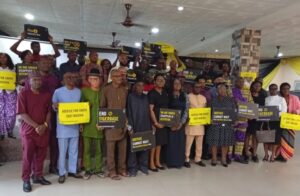
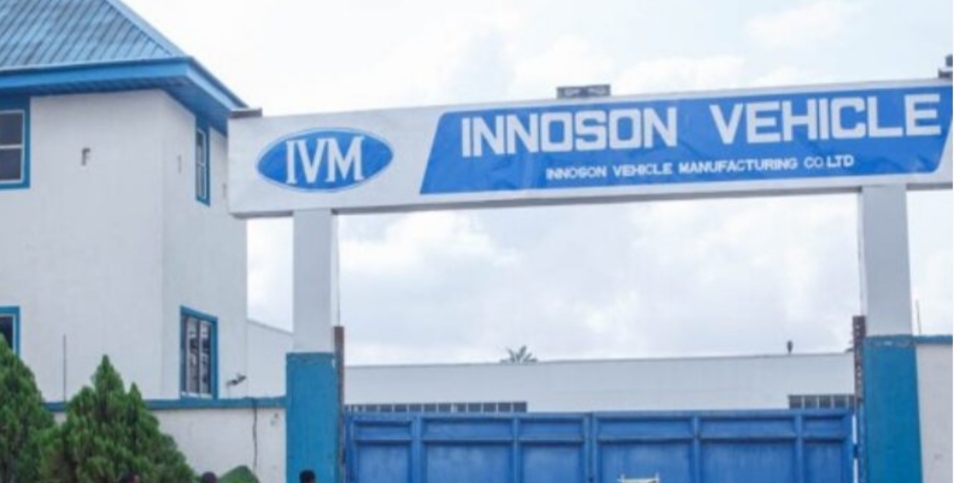
The company made the call when a delegation of the Manufacturers Association of Nigeria (MAN), Anambra, Enugu and Ebonyi Branch, led by its Chairman, Lady Adaora Chukwudozie, visited the Innoson manufacturing plant as part of engagements under the MAN Industrial Energy Adoption Programme.
The delegation included the Managing Director of MAN Power Development Company Limited, Oweh Mba-Sam, as well as representatives of Empower New Energy of Norway and Paras Energy & Natural Resources Development Limited.
During the visit, the team inspected Innoson’s electric vehicle production facility and some of the vehicles manufactured locally by the company.
Innoson management expressed concern over what it described as a policy imbalance, noting that while duty concessions had been introduced for imported finished electric vehicles, some components required for local EV production continued to attract import duties.
The company said the situation could make locally produced electric vehicles more expensive than imported alternatives and discourage further investment in domestic manufacturing.
Chukwudozie called for a review of the tariff structure, stressing that Nigeria’s transition to cleaner transportation should also create opportunities for local industrialisation.
“Our transition to cleaner energy must also become an industrialisation opportunity for Nigeria,” she said.
She urged the Federal Government and relevant fiscal authorities to engage local EV manufacturers and MAN in reviewing the tariff regime and creating a more competitive environment for domestic production.
The visit also formed part of efforts to support Innoson’s participation in the MAN Industrial Energy Adoption Programme, which seeks to help manufacturers adopt cheaper, more reliable and cleaner energy solutions.
Innoson is considering solar power as part of its strategy to reduce energy costs and strengthen its environmental, social and governance compliance.
The MAN delegation also visited Juddy-Bolema Industries Limited and Cutix Plc, among other manufacturers interested in the programme.
At Juddy-Bolema, discussions centred on plans for a solar energy project expected to reduce energy costs, improve power reliability and support the company’s carbon-reduction efforts.
At Cutix, the team reviewed the company’s energy requirements and explored the development of a suitable renewable-energy solution.
The growing interest in the programme follows the MAN South-East Industrial Energy Solutions and Investment Symposium, which brought together government agencies, regulators, manufacturers, financiers and technology providers to explore solutions to the region’s persistent energy challenges.
Chukwudozie said the increasing interest from manufacturers was encouraging, but stressed that attention must now move from discussions to actual projects capable of reducing production costs and improving industrial competitiveness.
She also maintained that Nigeria’s green transition should go beyond the adoption of electric vehicles and renewable energy to include local manufacturing, stronger domestic supply chains, job creation and technological development.